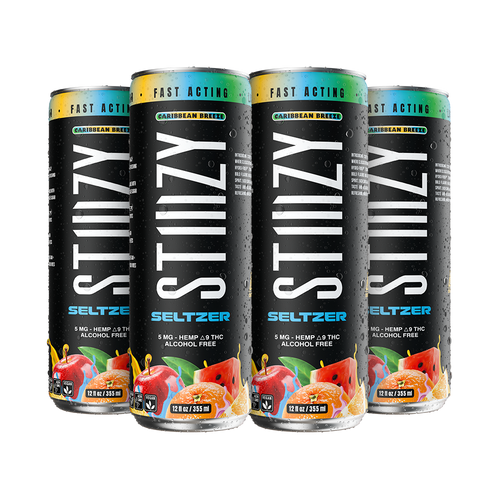
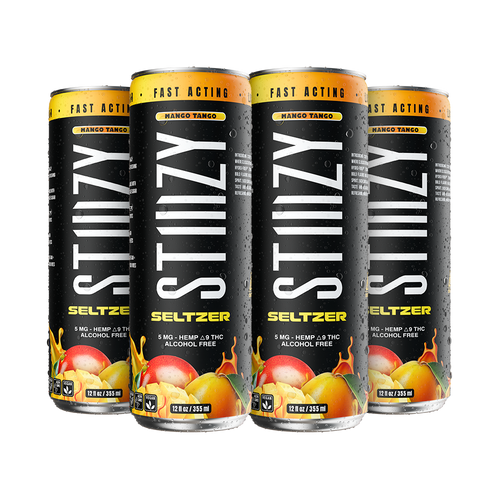
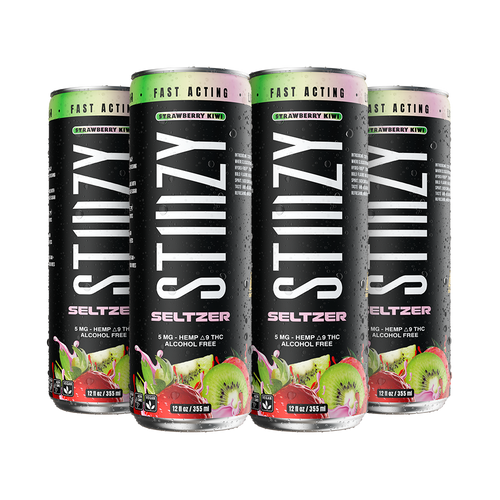
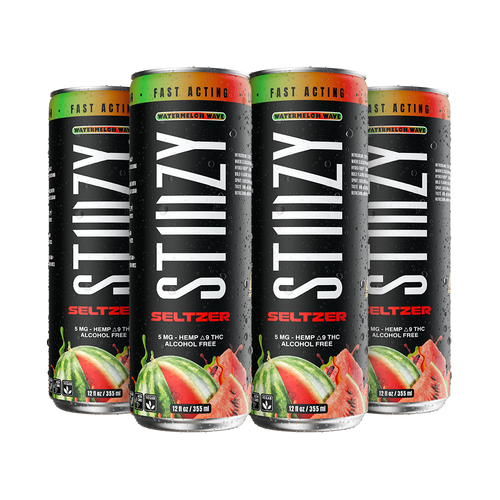
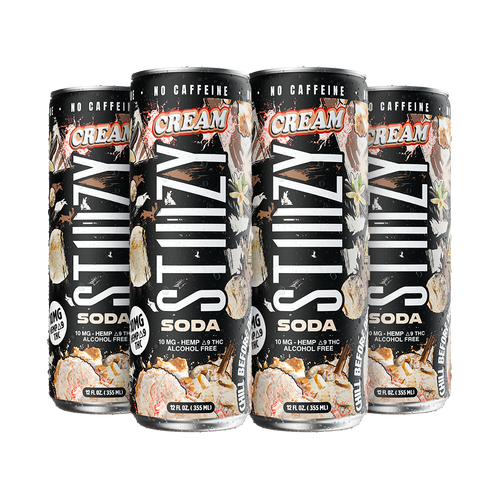
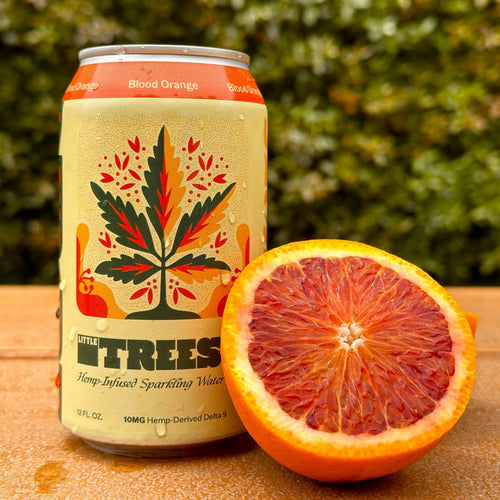
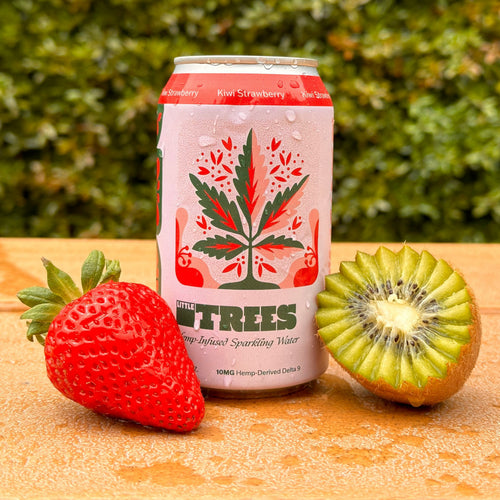
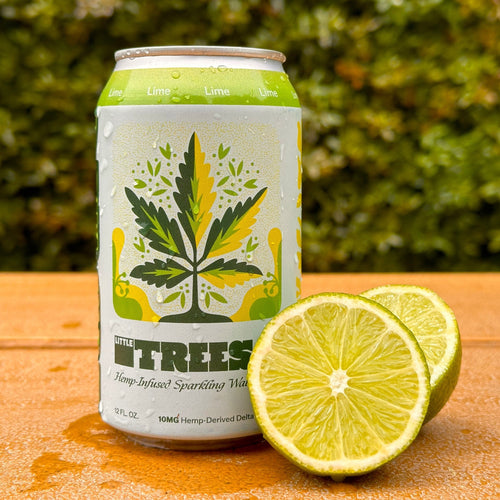
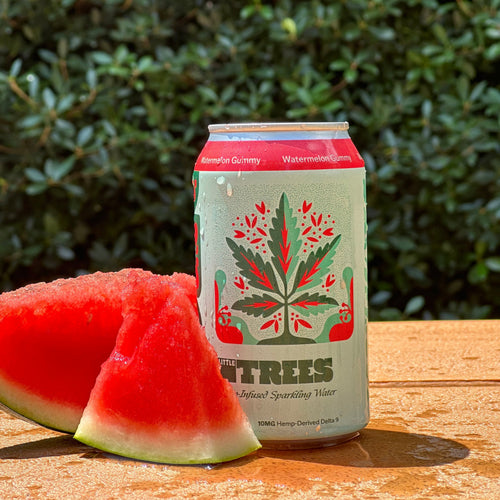
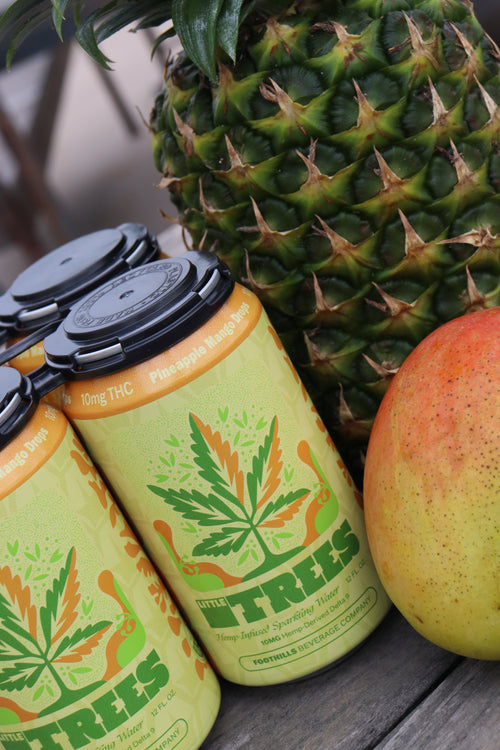
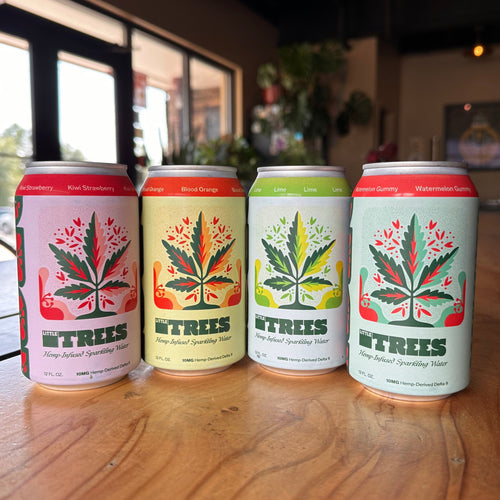
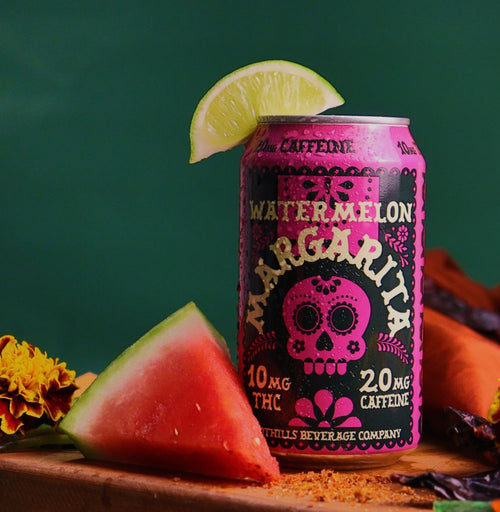
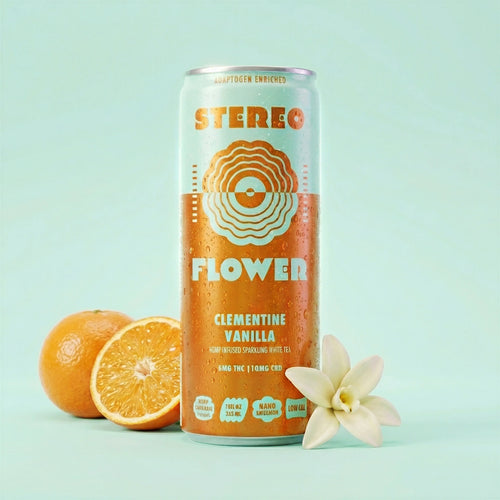
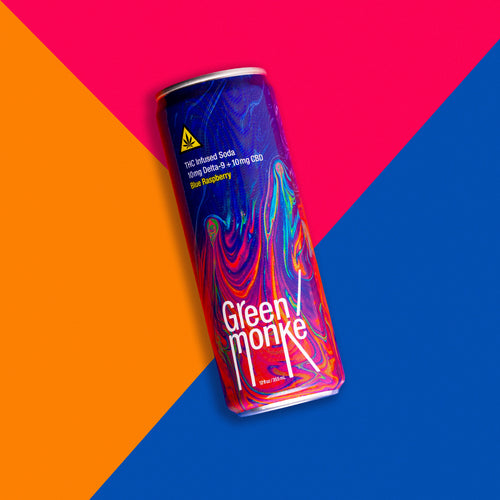
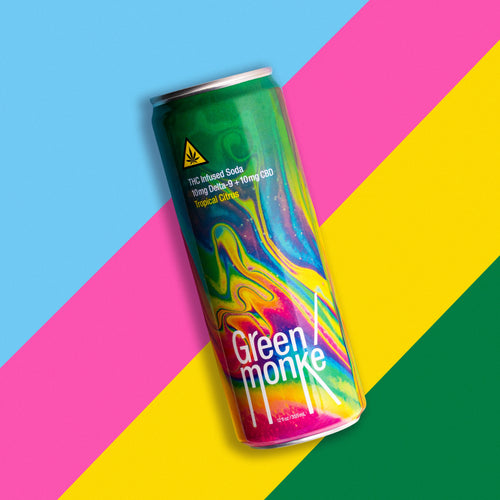
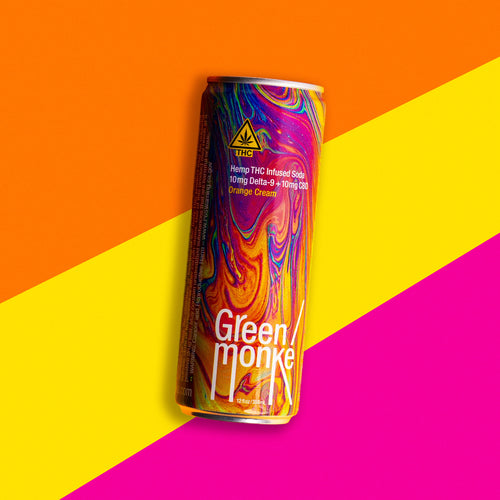
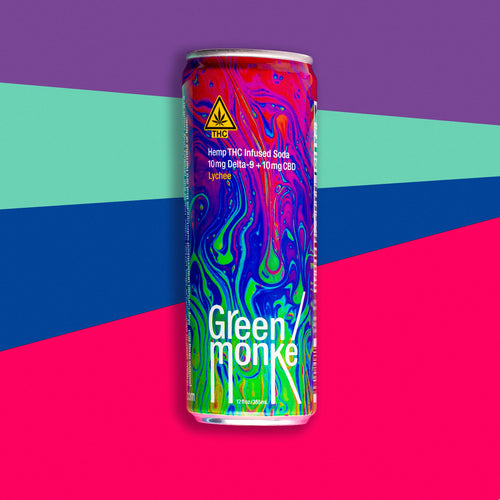
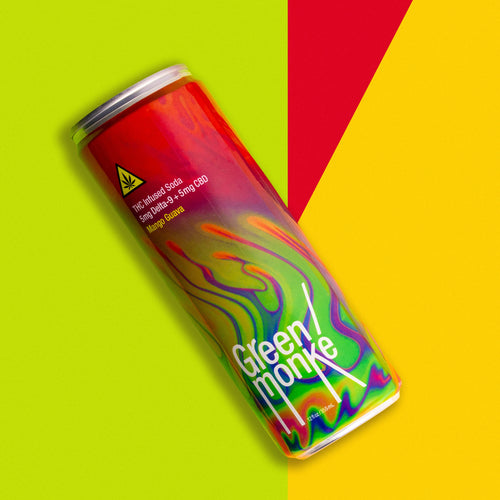
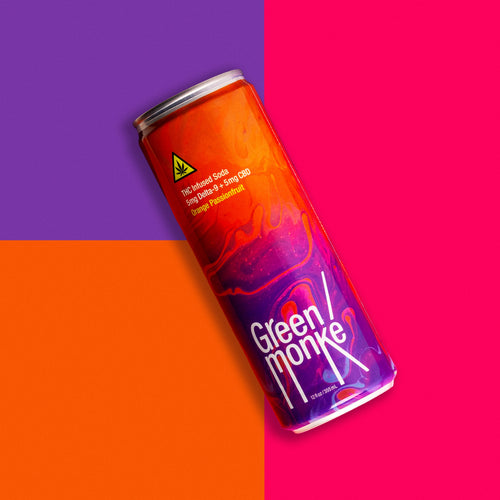
The short answer: a hemp beverage and a cannabis beverage can contain the exact same ingredient, delta-9 THC. What separates them is the plant the THC legally comes from, and that decides who may sell the drink, how strong it can be, how it is tested and which states allow it. Hemp drinks use THC from hemp, which federal law defines as cannabis with no more than 0.3% delta-9 THC by dry weight, so they can be sold online and in ordinary stores where a state allows it. Cannabis (marijuana) drinks can be sold only by licensed dispensaries in states with a cannabis program.
This guide compares the two side by side, covers what they have in common, sets out the practical benefits of each, and sorts all 50 states and D.C. by which kind of THC drink you can legally buy, and why.
Hemp vs. cannabis beverages at a glance
| Hemp beverage | Cannabis beverage | |
|---|---|---|
| Source of THC | Hemp: cannabis with no more than 0.3% delta-9 THC by dry weight | Marijuana: cannabis above that limit |
| Active ingredient | Usually delta-9 THC, often with CBD; some products use converted cannabinoids such as delta-8 | Delta-9 THC, sometimes with CBD |
| Legal basis today | 2018 Farm Bill, plus state hemp laws | State cannabis law; not legal under federal law |
| Where it is sold | Online, liquor and grocery stores, bars and shops, where the state allows | Licensed dispensaries only, in states with a cannabis program |
| Typical strength | Often 2 to 10mg THC per serving; some states cap it at 0.5 to 5mg | Commonly capped at 10mg per serving, 100mg per package (California) |
| Testing | Varies by state; look for a certificate of analysis | State-mandated testing by licensed labs |
| Age | 21+ in most states that set an age; a few set none in statute | 21+ (adult-use) |
| December 11, 2026 | Most lose federal hemp status above 0.4mg THC per container | Not part of the federal hemp change |
What is a hemp beverage?
A hemp beverage is a seltzer, soda, tea, tonic or zero-proof spirit made with cannabinoids extracted from hemp. The 2018 Farm Bill (P.L. 115-334, Section 10113) defines hemp as cannabis with a delta-9 THC concentration of not more than 0.3 percent on a dry weight basis. That limit applies to the plant, not to the can. Because a beverage is mostly water, a drink made from compliant hemp extract can still carry an intoxicating dose of THC, and most hemp THC drinks are built to do exactly that.
Some hemp drinks contain only CBD, which is generally considered non-intoxicating. Others contain delta-8 or other cannabinoids made by chemically converting CBD; the National Cannabis Industry Association notes that independent testing has found residual acids in some of those products and that some had not been tested at all (NCIA, 2025). We do not stock delta-8 drinks; see Delta-9 vs. Delta-8 THC Drinks.
What is a cannabis beverage?
A cannabis beverage is a THC drink made from marijuana and sold under a state's licensed cannabis program, the same system that sells flower, vapes and edibles in a dispensary. It is produced by a licensed manufacturer, tested by a state-licensed lab, labeled under state rules and sold only to adults in a licensed store. Most adult-use states cap edibles and drinks per serving and per package; California, for example, allows up to 10mg of THC per serving and 100mg per package. Outside states with a cannabis program, these drinks cannot be sold at all.
What hemp and cannabis drinks have in common
- The same plant and the same molecule. Hemp and marijuana are both Cannabis sativa. Delta-9 THC from hemp is the same compound as delta-9 THC from marijuana, and its effects are the same at the same dose. As the Foundation for Advancing Alcohol Responsibility puts it, “hemp is not a synonym for non-intoxicating” (Responsibility.org).
- The same timing. THC drinks work through the gut, so effects build more gradually than smoking or vaping. With many fast-acting drinks the first effects are often felt within 15 to 20 minutes, though it varies by product and person; wait a full hour before having more. See how long THC drinks take to kick in.
- The same dosing logic. Strength is the milligrams of THC on the label, not the word “hemp” or “cannabis.” A common starting point for new drinkers is 2.5 to 5mg. See our THC drink dosage guide.
- The same drug-test result. Tests look for a THC metabolite, not its source. See do THC drinks show up on a drug test?
- The same caution about impairment. THC affects reaction time and judgment whichever plant it came from. See can you drive after a THC drink?
- No alcohol. Both are alcohol-free by design, which is why both are part of the wider THC drinks vs. alcohol conversation.
The key differences
1. Who can sell them
This is the difference that matters most to a buyer. A cannabis drink can only come from a licensed dispensary in a state with a cannabis program. A hemp drink can be sold wherever a state's hemp law allows it: online with shipping to your door, in liquor and grocery stores, at bars and restaurants. That reach is why hemp drinks show up in states with no cannabis program at all, such as Florida, Texas and North Carolina.
2. How strong they can be
Neither category is weaker by definition. Dispensary drinks follow state cannabis caps, commonly 10mg per serving. Hemp drinks follow state hemp rules, which range from no milligram cap at all (Florida, Indiana, Wisconsin and others) to very low caps of 0.5 to 2mg (Hawaii, Maryland, New York, Rhode Island, Oregon). Many hemp drinks are deliberately low-dose and sessionable, in the 2 to 5mg range, while others reach 10mg or more. Always read the label; our label-reading guide shows how.
3. How they are tested
Dispensary products go through testing required by the state's cannabis program. Hemp testing requirements vary: some states require lab reports or QR codes on the label, others require little. For a hemp drink, the certificate of analysis (COA) from an independent lab is your best check on potency and contaminants. Ours are on our certificates of analysis page.
4. Their legal footing
Hemp drinks rest on federal hemp law plus each state's hemp rules. Cannabis drinks rest on state cannabis law and are not legal under federal law. That is why the coming federal change hits hemp drinks and not dispensary drinks.
Benefits of each
These are the practical reasons people choose one over the other. They are not health claims.
Why people choose hemp beverages
- Available in far more places, including delivery to your home where state law allows.
- Many low-dose options, which suit new drinkers and people who want a mild, social buzz.
- Sold alongside ordinary drinks, so they fit where beer and wine used to.
- Wide range of formats and flavors: seltzers, sodas, teas, tonics and zero-proof spirits. Shop THC drinks.
Why people choose cannabis beverages
- State-mandated testing and labeling inside a tightly regulated supply chain.
- A licensed budtender to ask questions in person.
- Higher-dose options per package for experienced consumers, within state caps.
- Not part of the federal hemp change on December 11, 2026.
Which states sell hemp drinks, cannabis drinks, or both
We sorted all 50 states and D.C. using the same research behind our THC drinks by state guides. Each state name links to its full guide with caps, ages, statutes and sources. This is a snapshot as of October 2026, not legal advice, and several states change their rules in the next few months.
Both: hemp drinks and dispensary cannabis drinks
These states have a licensed adult-use cannabis market and also allow hemp THC drinks outside it, sometimes only in person at licensed liquor or cannabis stores.
- Connecticut (hemp drinks in person only, 5mg at package stores)
- Delaware (hemp drinks in person only, from Oct 21, 2026)
- Illinois (hemp drinks until Nov 12, 2026)
- Maine
- Minnesota (10mg per can, licensed sellers)
- Missouri (hemp drinks until the federal change)
- Nevada
- New Jersey (hemp drinks in person only, until Nov 13, 2026)
- New Mexico
Both, but hemp drinks are capped at very low doses
Dispensaries sell full-strength cannabis drinks; hemp drinks are allowed only well below a typical 5 to 10mg dose.
- Colorado (1.75mg per serving)
- Maryland (0.5mg per serving)
- New York (1mg per serving)
- Oregon (2mg per serving)
- Rhode Island (1mg per serving)
- Vermont (1.5mg per serving)
- Virginia (2mg per package; cannabis retail planned for 2027)
Hemp drinks only: no adult-use cannabis stores
No recreational cannabis market, so hemp beverages are the only legal THC drinks for adults. Rules range from wide open to licensed, in-person sale.
- Alabama (in person at ABC-licensed stores)
- Florida
- Georgia (10mg per 12oz, seller license)
- Hawaii (0.5mg per container)
- Indiana
- Iowa (4mg per serving)
- Kansas (contested)
- Kentucky (5mg, liquor stores)
- Louisiana (5mg per can, permits)
- Nebraska (contested)
- New Hampshire
- North Carolina
- Oklahoma (new rules Nov 1, 2026)
- Pennsylvania
- South Carolina
- South Dakota
- Tennessee (in person at ABC-licensed stores)
- Texas (seller registration)
- West Virginia (seller registration)
- Wisconsin
- Wyoming
Cannabis stores only: hemp THC drinks routed into the licensed system
These markets treat intoxicating hemp THC as cannabis, ban it in food and drink, or set a zero-THC rule, so THC drinks are bought in licensed cannabis stores.
- Alaska
- Arizona
- California
- Massachusetts
- Michigan
- Montana
- Ohio
- Washington
- Washington, D.C. (medical stores, self-certification)
Neither: no hemp THC drinks and no adult-use cannabis
Hemp THC drinks are banned or not allowed in food and drink, and there is no recreational cannabis market.
- Arkansas
- Idaho
- Mississippi (medical dispensaries only)
- North Dakota
- Utah
Why states split this way
- Whether the state has a cannabis market. States with licensed dispensaries tend to route intoxicating hemp into that system, for the same testing, taxes and age checks. Ohio, Michigan, Washington and California all moved in that direction.
- States without one. In states with no recreational program, hemp beverages became the only legal THC drink, and many states, from Florida to North Carolina, have left them lightly regulated.
- The alcohol system. A growing group, including Alabama, Tennessee, Kentucky, Connecticut, Delaware and New Jersey, regulates hemp drinks like alcohol: licensed stores, in-person sale, no shipping.
- Youth access and impaired driving. Concern about intoxicating products sold in convenience stores and online is the main reason states add age limits, caps and licensing. Responsibility.org takes no position on legality but supports rules that prevent underage use and impaired driving.
- The federal change. Some states wrote the coming federal 0.4mg-per-container standard into their own law early, including Ohio, Illinois and Missouri.
What changes on December 11, 2026
A federal spending law signed in November 2025 (P.L. 119-37, Section 781) redefines hemp using total THC and excludes finished products with more than 0.4mg of THC per container. A funding law signed September 2, 2026 (H.R. 6500) moved most of that change from November 12 to December 11, 2026; cannabinoids the plant cannot naturally produce still lose hemp status on November 12. Bills to delay further, repeal or regulate instead remain in committee (Hemp Law Group, updated October 19, 2026). For what it means for the drinks you buy, see the December 11 hemp law explained.
Some states move first: Illinois on November 12, New Jersey after November 13, Oklahoma's new rules on November 1, and New Hampshire's 21+ rule on January 1, 2027. Each state guide carries its own dates.
How to choose
- Check your state first. Open your state guide; if hemp THC drinks are not allowed, a licensed dispensary is your only legal route.
- Buy by milligrams, not by label words. 2.5 to 5mg is a common starting point.
- Ask for the COA on any hemp drink, and avoid products that will not show one.
- Wait a full hour before having more, whichever kind you choose.
Frequently asked questions
What is the difference between a hemp beverage and a cannabis beverage?
Both contain THC from the same plant species, Cannabis sativa. The difference is legal: a hemp beverage uses THC from hemp, defined federally as cannabis with no more than 0.3% delta-9 THC by dry weight, so it can be sold online and in ordinary stores where state law allows. A cannabis beverage uses THC from marijuana and can be sold only by licensed dispensaries in states with a cannabis program.
Is the THC in hemp drinks the same as the THC in marijuana drinks?
Yes. Delta-9 THC is the same molecule whether it is extracted from hemp or from marijuana, and its effects are the same at the same dose. The 0.3% limit applies to the dry plant, not to the finished drink, so a hemp beverage can contain an intoxicating dose.
Are hemp drinks weaker than dispensary drinks?
Not by definition. Strength depends on the milligrams of THC on the label. Many hemp drinks contain about 2 to 10mg per serving, while dispensary drinks in states such as California are commonly capped at 10mg per serving and 100mg per package. Some states cap hemp drinks far lower, at 0.5 to 2mg.
Which states sell cannabis beverages in dispensaries?
Cannabis beverages are sold through licensed adult-use cannabis retailers in states that have legalized recreational marijuana, including California, Colorado, Illinois, Michigan, Washington, New York and others. Virginia has legalized possession but its retail market is not scheduled to open until 2027. Beverage rules and caps vary by state.
Which states do not allow hemp THC drinks?
Hemp THC drinks cannot be sold outside licensed cannabis channels in states including Alaska, Arizona, California, Massachusetts, Michigan, Montana, Ohio, Washington and D.C., and are effectively banned in Arkansas, Idaho, Mississippi, North Dakota and Utah. Several other states allow them only at very low doses or only in person at licensed stores. Laws change often, so check the current rules for your state.
Do hemp THC drinks show up on a drug test?
They can. Standard drug tests look for a THC metabolite, not for where the THC came from, so THC from a hemp drink can produce a positive result just as THC from marijuana can.
What happens to hemp drinks on December 11, 2026?
A new federal definition of hemp takes effect that counts total THC and excludes finished products with more than 0.4mg of THC per container, which covers most hemp THC drinks sold today. The date moved from November 12, 2026 under a funding law signed in September 2026. Cannabis beverages sold in state-licensed dispensaries are governed by state cannabis law and are not part of that hemp change.
Sources: National Cannabis Industry Association, “What You Need to Know About Cannabis vs. Hemp-Derived Beverages” (2025); Responsibility.org, “Hemp & THC Beverages: What Every Family Should Know” (2026); Total Wine & More, “THC-Infused Beverages”; Elevated Beverages, “Hemp-Derived vs. Marijuana THC Drinks” (2026); Hemp Law Group, “Federal Hemp Ban 2026: Where Things Stand”; MADD, “States Where Weed Is Legal” (2026); MJBizDaily, Virginia adult-use sales (March 2026); federal statutes on govinfo.gov.
This article is general information, current as of October 2026, and is not legal advice. Hemp and cannabis laws vary by state and change often; check the current rules where you live.