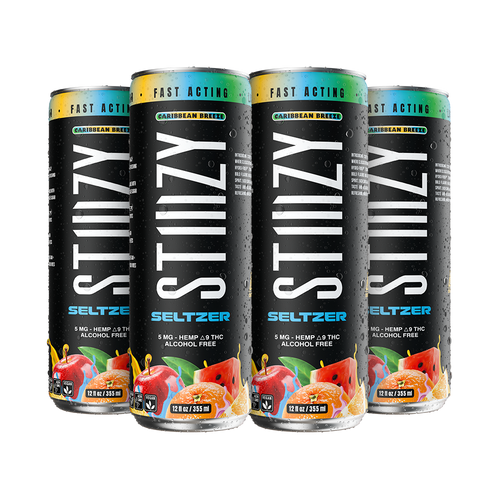
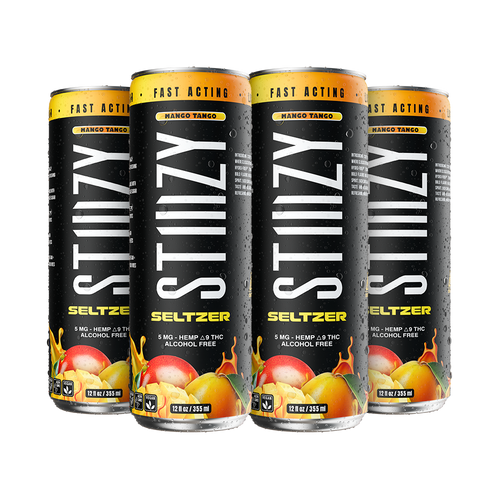
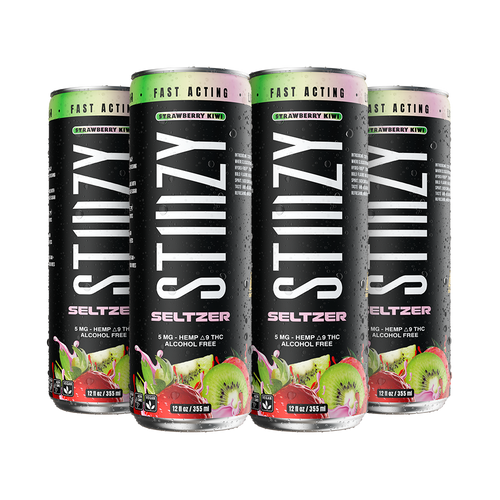
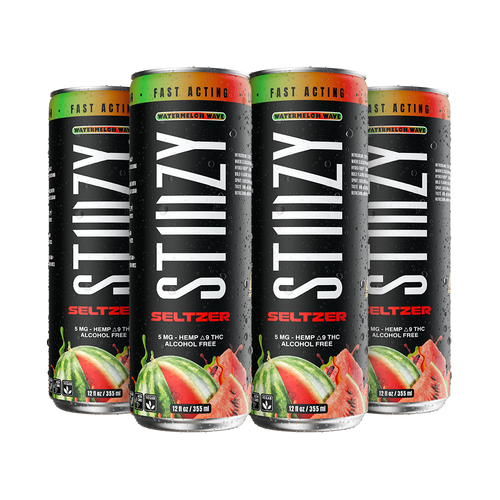
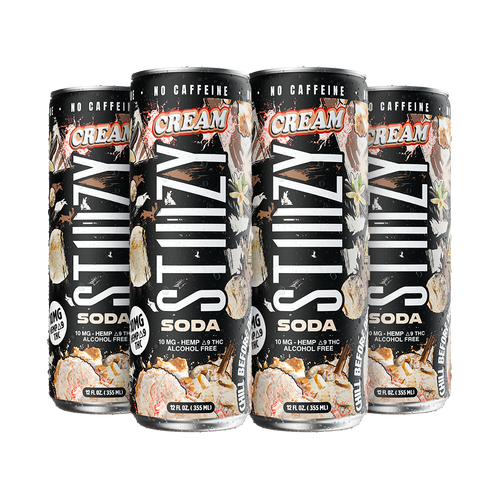
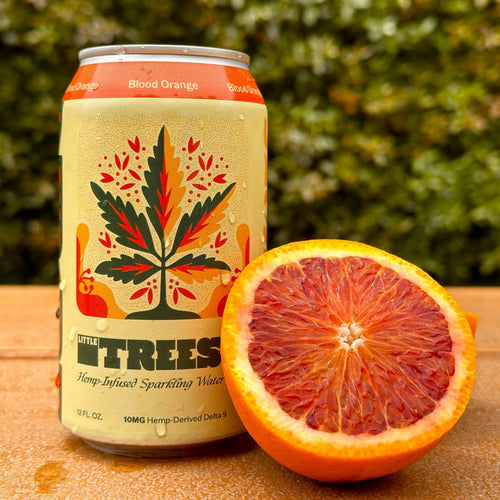
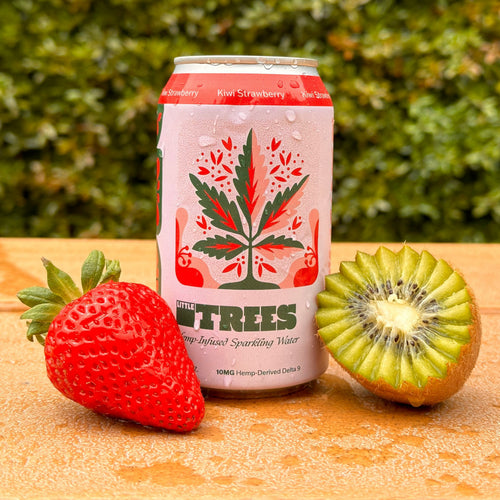
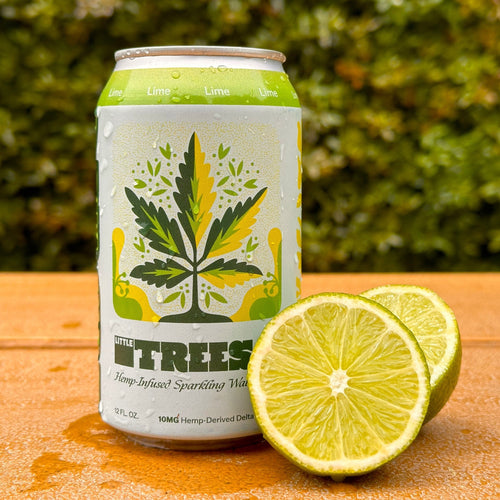
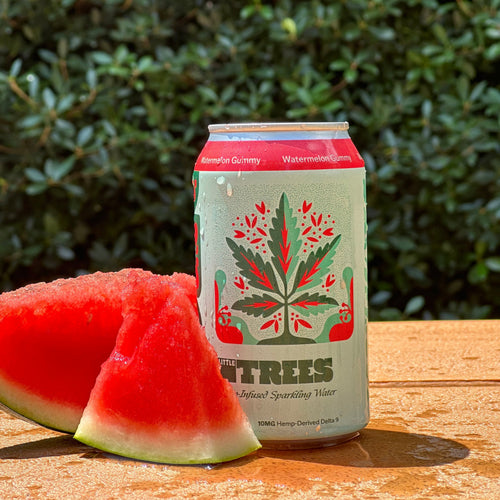
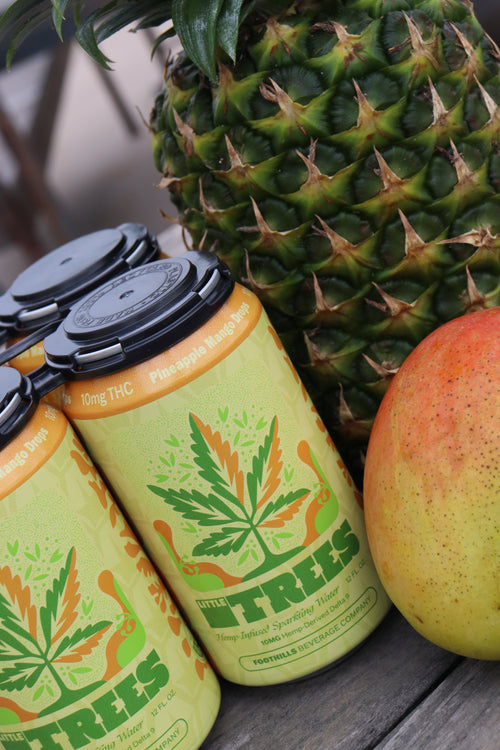
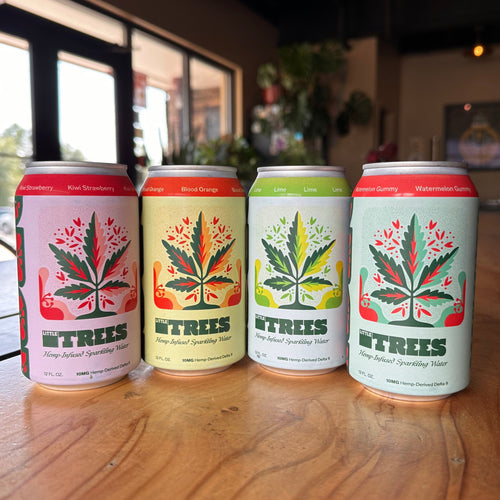
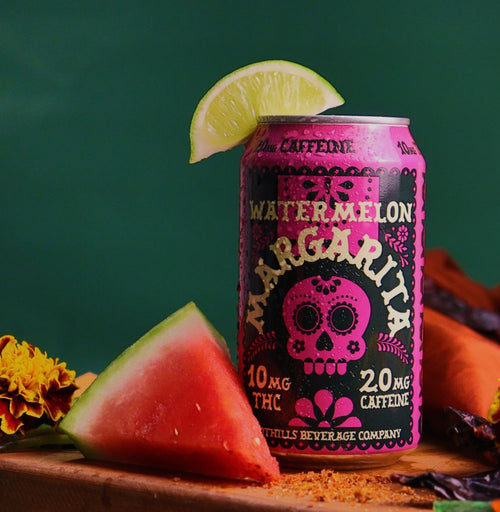
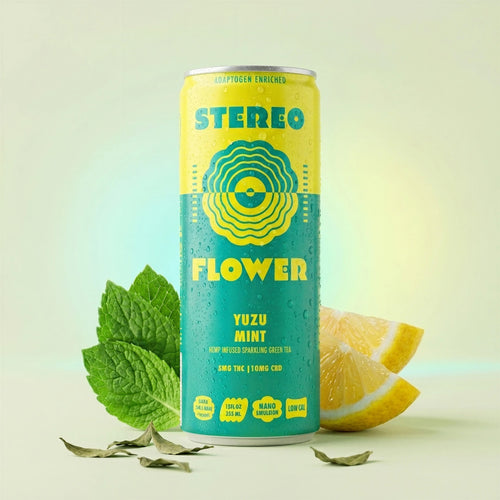
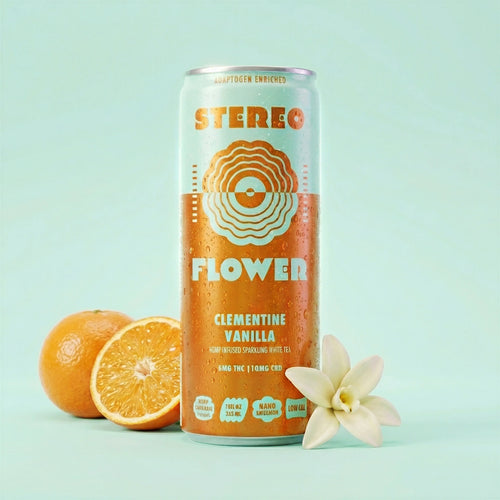
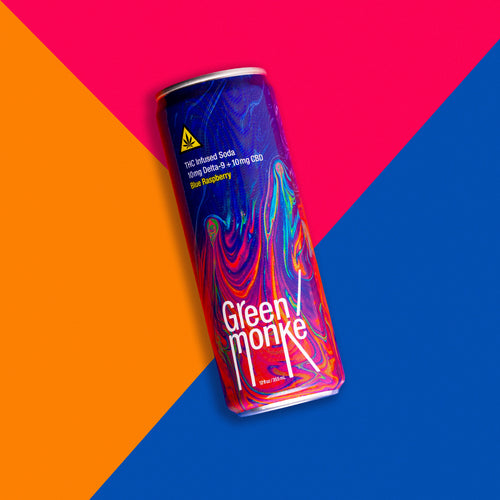
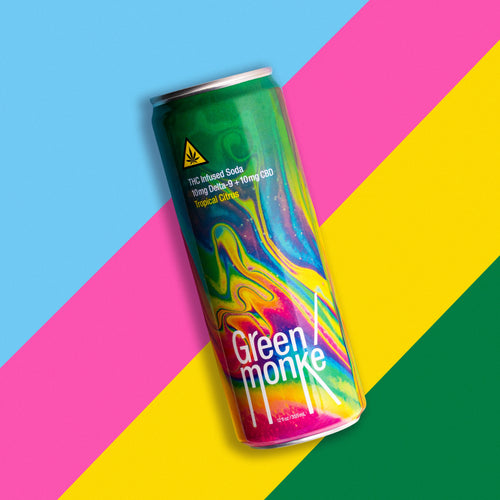
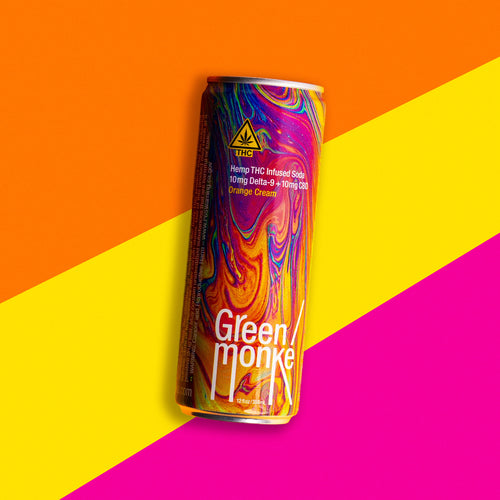
Nano-emulsified THC is THC oil broken into extremely small droplets, each coated with an emulsifier, so it mixes evenly into water instead of floating on top. Small studies suggest it can help THC absorb faster than oil-based formulas, though the evidence is still limited.
If you have picked up a THC seltzer or soda recently, there is a good chance the can or the brand's website mentions "nano," "fast-acting" or "water-soluble" THC. Here is what those words actually describe, what the research does and does not show, and what it means for how you dose.
Why THC needs to be emulsified at all
THC is an oil-loving (lipophilic) compound. On its own it does not dissolve in water, which is a problem when the product is mostly water. Drop plain THC oil into a seltzer and it separates, leaving an uneven dose from one sip to the next.
The same oil-loving nature is part of why edibles are slow and unpredictable. A 2025 study in the Journal of Cannabis Research notes that THC's poor solubility in water limits absorption in the gut, and that oral THC reaches only about 4–20% bioavailability because the liver breaks much of it down before it reaches general circulation (Hermush et al., 2025). Emulsification is the beverage industry's answer to both problems: getting THC to stay evenly mixed in the drink, and potentially making it easier for the body to absorb.
What "nano" actually means
An emulsion is a mix of two liquids that normally would not combine, like oil and water, held together by an emulsifier. Mayonnaise and salad dressing are everyday examples. A nanoemulsion is the same idea at a far smaller scale: the oil droplets are measured in nanometers, or billionths of a meter.
To give a sense of scale, the nano-emulsified THC and CBD formula tested in the 2025 study had an average droplet size of about 158 nanometers, with roughly 80% of droplets falling between 80 and 250 nanometers (Hermush et al., 2025). At that size the droplets can stay suspended in water rather than separating out.
Researchers describe two ways nanoemulsions may help. The tiny droplets create far more surface area for absorption, and the coating may help protect THC from the acidic environment of the stomach (Berl et al., 2022).
What the research shows so far
The human evidence is real but thin. Two small clinical studies are the most relevant:
- A 2022 randomized trial of 32 adults compared a 10mg THC nanoemulsion with THC in MCT oil. In the nanoemulsion group, peak blood levels of THC arrived 4.4 hours sooner and absorption started 1.5 hours sooner. Participants also reported feeling the effects earlier. But total THC exposure over the study period was not significantly different between the two (Berl et al., 2022).
- A 2025 crossover study of 14 healthy volunteers compared an 8mg THC nano-emulsified powder with commercial oil drops. Relative bioavailability of THC was 2.9 times higher with the nano formula, and its active metabolite 11-OH-THC peaked in about 0.86 hours versus about 4.7 hours for the oil. The authors note that the small sample limits how far the findings can be generalized (Hermush et al., 2025).
Two caveats matter. Neither study tested a canned THC drink from a store shelf; both tested specific formulations against oil. And both were funded by the companies that make the tested formulas, which the papers disclose. They are useful signals, not a verdict on every "nano" drink.
A 2024 peer-reviewed review of the cannabis beverage research reaches a similar conclusion. It highlights "the paucity and inconsistency of available research, further exacerbated by the sheer diversity of formulations investigated" (Froude et al., 2024). In one survey the review cites, 35 beverage consumers reported effects starting after about 19 minutes on average, with wide variation from person to person.
How fast does a nano-emulsified THC drink kick in?
Often within 15–20 minutes, though it varies by product and person. Harvard Health puts it carefully: "Some people say they feel the effects of cannabis-infused drinks within 15 to 20 minutes," compared with at least 30 to 90 minutes for gummies or brownies (Harvard Health). That is reported experience, not a guaranteed property of any formula.
What changes onset in practice is everything around the emulsion: whether you have eaten, your body, your tolerance, how quickly you drink, and the specific product. For a full breakdown, see how long THC drinks take to kick in and how long they last, and our side-by-side of THC drinks vs. edibles.
Faster is not the same as weaker
The most common mistake with fast-acting drinks is treating early effects as the whole effect. A faster start does not mean the drink is done working. The Froude review warns that delayed intoxication from edibles and beverages can increase the risk of taking too much (Froude et al., 2024). And since some nano formulas may deliver more THC to the bloodstream than oil-based ones, the dose on the label deserves the same respect as any edible.
A few simple rules cover it:
- Start low. Beginners should start with 2.5–5mg. Our low-dose 2.5–5mg drinks are built for this.
- Wait a full hour before having more. Effects can keep building for up to two hours.
- Don't stack drinks. One can, then decide. Our THC drink dosage guide walks through each dose tier.
- Don't drive. Faster onset does not make it safe to get behind the wheel.
Check the label and the lab report
"Nano" is a description of how the THC was processed. It does not tell you how much THC is in the can, and that number matters more. The same 2024 review found inaccurate cannabinoid labeling across cannabis beverages, flagged as a direct risk to consumers (Froude et al., 2024). A third-party certificate of analysis is how you confirm the dose. Here is how to read a COA for a THC drink, and our behind the science page explains how hemp drinks are made.
Does nano-emulsion change the law?
No. Federal rules count THC, not droplet size. Under the hemp redefinition in P.L. 119-37, which takes effect December 11, 2026, a hemp product can contain no more than 0.4mg of total THC per container. That applies to nano-emulsified drinks the same as any other. State rules vary as well. Our 2026 hemp law guide covers what changes and when.
Frequently asked questions
Is nano-emulsified THC stronger than regular THC? Not by the number on the can. A 5mg drink still contains 5mg of THC. Small studies have found that some nano-emulsified formulas get more THC into the bloodstream, or get it there faster, than oil-based versions, so treat the dose on the label with the same caution you would any edible.
How fast does a nano-emulsified THC drink kick in? Often within 15–20 minutes, though it varies by product and person. Effects can keep building for up to two hours, so wait a full hour before having more.
Is nano-emulsified THC the same as water-soluble THC? They are closely related. Water-soluble describes the result: THC that mixes evenly into a drink instead of separating out. Nano-emulsion is one common way to get there, by breaking the THC oil into extremely small droplets coated with an emulsifier.
General information, not medical advice. Effects may be delayed up to two hours. Must be 21+.