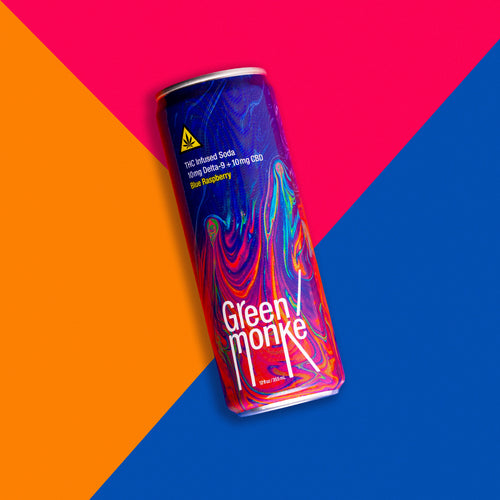
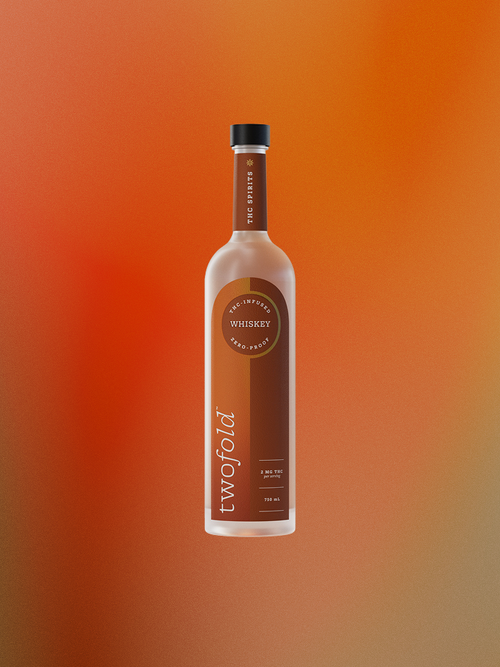
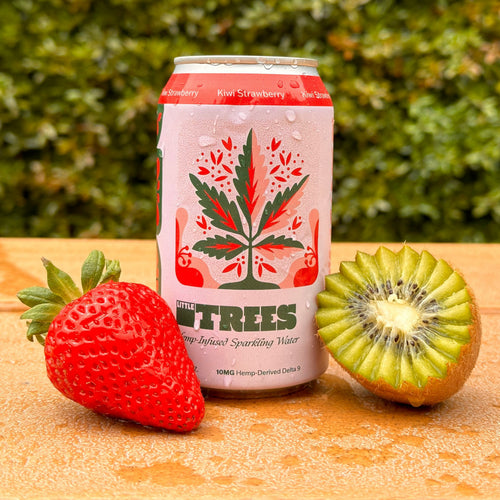
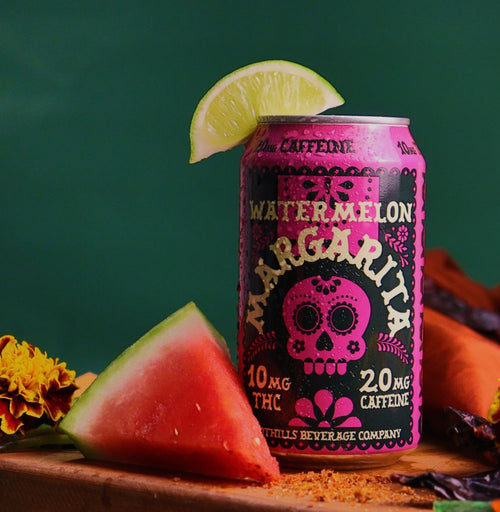
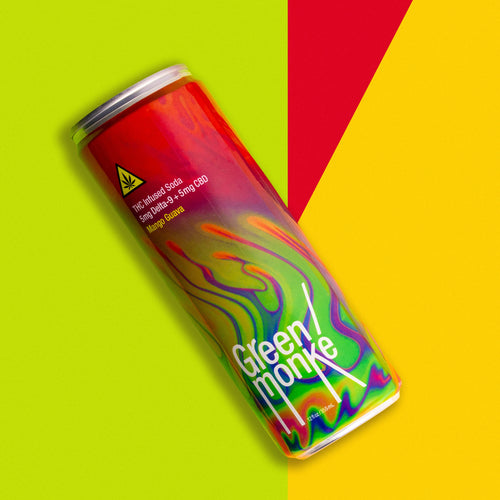
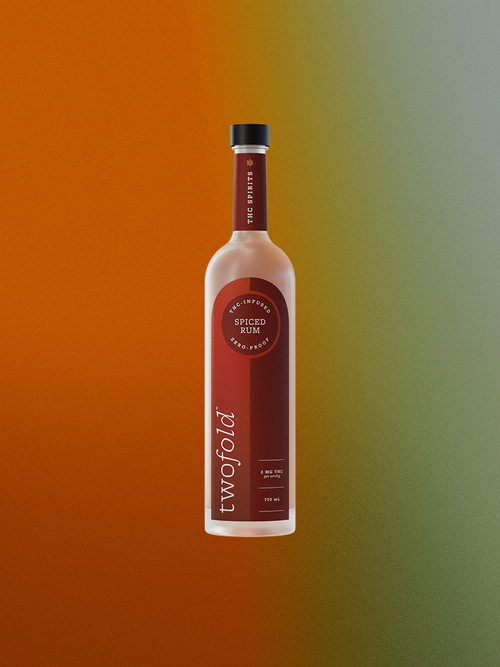
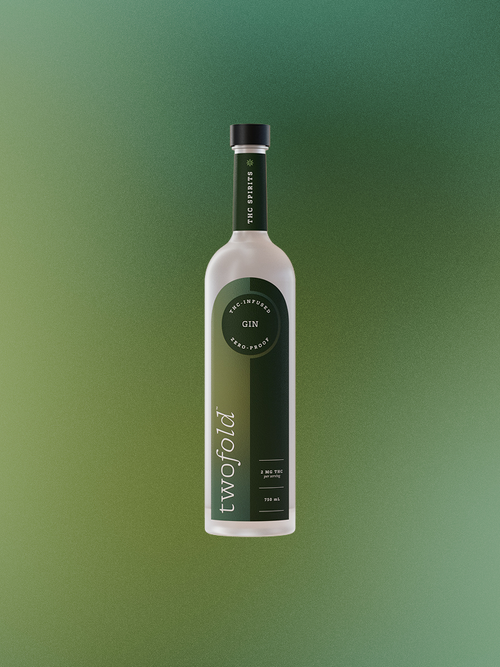
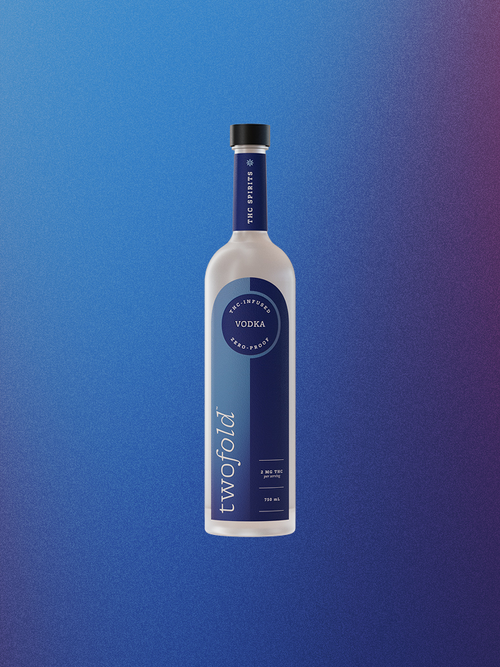
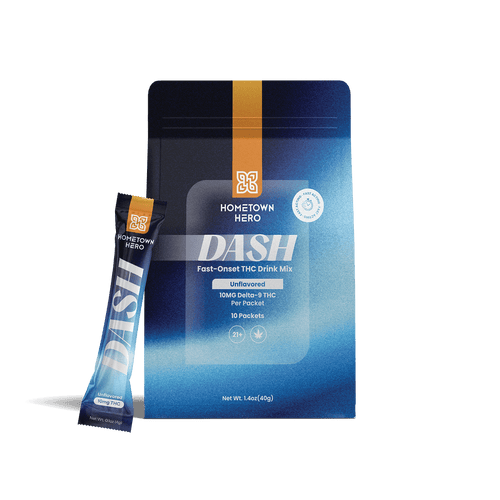
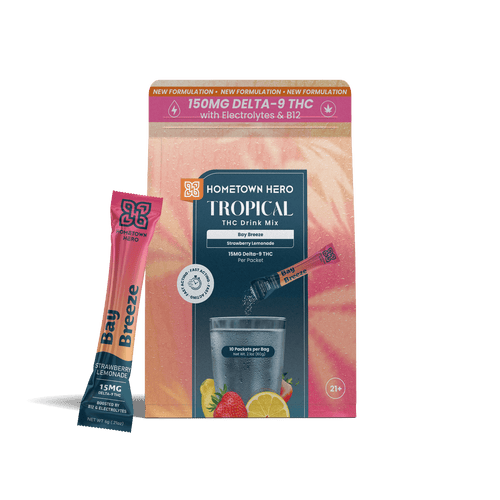
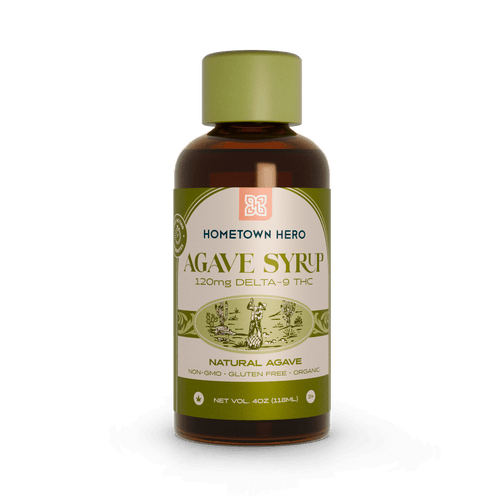
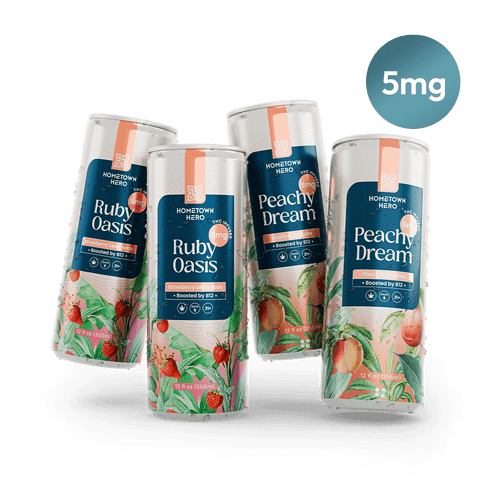
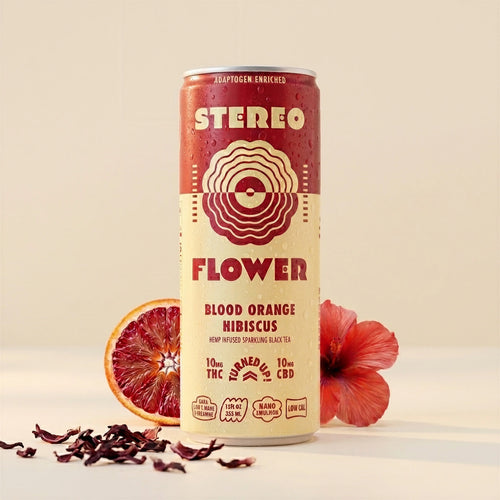
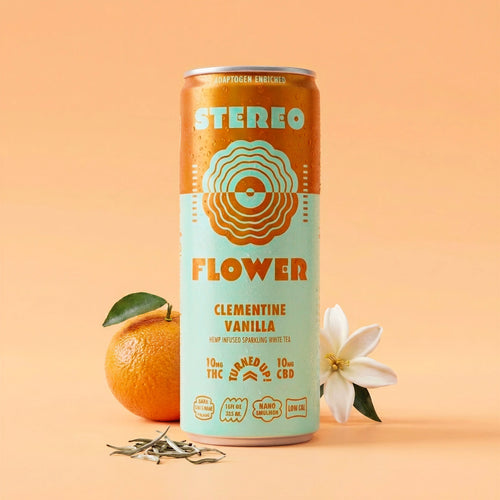
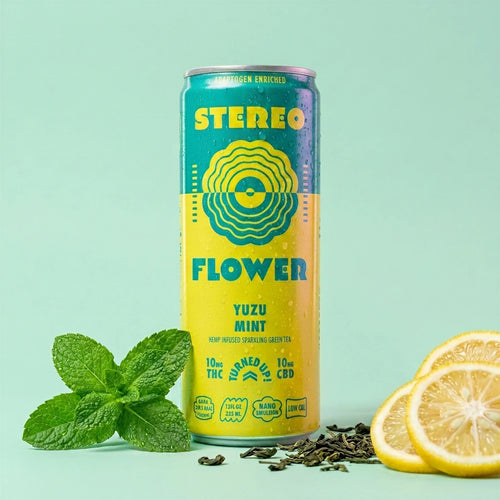
The endocannabinoid system (ECS) is a signaling network your body already runs on its own. It makes cannabinoid-like molecules, chiefly anandamide and 2-AG, that help regulate mood, stress, appetite, sleep, pain and immune activity. Plant compounds in hemp, including THC, CBD, CBG and CBN, plus terpenes and flavonoids, interact with that system in very different ways. Some have strong human evidence behind them. Most are still early. Here is what each one is, how it works in the body, what the research actually shows, and what that means for the hemp drink in your hand.
General information, not medical advice. HempBeverages.com sells hemp beverages. Every health statement below links to an independent source, and we say plainly when the evidence comes only from lab or animal studies. 21+ only.
Key takeaways
- Your body makes its own cannabinoids. The ECS uses receptors (CB1 and CB2), messengers (anandamide and 2-AG) and enzymes that clear them away. It works with or without cannabis.
- THC is the only common hemp cannabinoid that clearly intoxicates. It works by activating CB1 receptors in the brain, and it has the strongest medical evidence of the group.
- CBD, CBG and CBN act more indirectly. Each has a small number of human trials. Most of the claims you see online come from lab and animal studies or from doses far above what a drink contains.
- Terpenes and flavonoids are real, but mostly unproven in people. One terpene, limonene, has a well-designed human study showing it reduced THC-related anxiety.
- A drink is a precise, smoke-free way to take these compounds. The dose is printed on the can and checked by a lab report, which matters more than any single ingredient claim.
1. What is the endocannabinoid system?
The endocannabinoid system is one of the body's main regulatory networks. It has three parts: cannabinoid receptors, the endocannabinoids that activate them, and the enzymes that build and break down those endocannabinoids (Lu & Mackie, 2016). It was named after the plant only because scientists found it while studying how THC works.
The receptors: CB1 and CB2
- CB1 is the most abundant cannabinoid receptor and sits mainly in the brain and nervous system. It is the receptor THC activates to produce a high.
- CB2 is found mostly on immune cells and in peripheral tissues, which is why researchers study it for inflammation.
- Other targets also respond to some cannabinoids, including TRPV1 channels (involved in pain and heat sensing) and PPAR receptors (involved in metabolism) (Lu & Mackie, 2016).
How the system works
Most nerve signals travel one way, from one cell to the next. Endocannabinoids often travel backward. They are made on demand by the receiving cell and act as a brake on the sending cell, turning down how much it fires. That is why the ECS is described as a modulator: it fine-tunes other systems rather than switching them on and off. Once the job is done, enzymes break the messengers down within moments.
What it helps regulate
The ECS is involved in brain development, learning and memory, the stress response, appetite, pain signaling and immune activity (Lu & Mackie, 2016). It is also linked to the "runner's high." In humans, endocannabinoid levels rise after moderate running (Raichlen et al., 2012), and in mice the calming, pain-dulling effects of running disappear when CB1 receptors are blocked (Fuss et al., 2015).
What to read next
2. The endocannabinoids your body makes
These are the body's own cannabinoids. You don't drink them. Understanding them explains why plant cannabinoids do anything at all.
Anandamide (AEA)
Anandamide was the first endocannabinoid discovered, isolated from the brain in 1992 and named from the Sanskrit word ananda, meaning bliss (Devane et al., 1992). It binds CB1 and, more weakly, CB2. It is short-lived because an enzyme called FAAH breaks it down quickly. Anandamide is studied for its role in mood, stress, appetite and the runner's high.
2-AG (2-arachidonoylglycerol)
2-AG is the most abundant endocannabinoid and activates both CB1 and CB2 fully. It is broken down mainly by a different enzyme, MAGL. Although the two molecules look alike, they are made and cleared by separate pathways, which gives them different jobs in the body (Lu & Mackie, 2016). 2-AG is a key player in the backward "brake" signaling between nerve cells.
The lesser-known ones
Researchers have identified several other molecules that act on cannabinoid receptors, including noladin ether (2-AGE), virodhamine and N-arachidonoyl dopamine (NADA). There are also related "endocannabinoid-like" fats such as PEA and OEA, which work through neighboring receptors. Their roles in people are far less understood than anandamide and 2-AG.
Is "endocannabinoid deficiency" real?
You may see claims that some conditions come from a low-functioning ECS. That idea, called clinical endocannabinoid deficiency, was proposed by neurologist Ethan Russo (Russo, 2016). It is a hypothesis, not an established diagnosis, and no test exists for it. Be wary of any product that says it "fixes" your endocannabinoid system.
3. THC (delta-9-tetrahydrocannabinol)
What it is: the main intoxicating compound in cannabis and hemp. The hemp drinks we carry use hemp-derived Delta-9 THC (here is how Delta-9 differs from Delta-8).
How it works: THC activates CB1 receptors, mimicking anandamide but lasting much longer because the body's enzymes don't clear it the same way. That is what produces the relaxed, euphoric or "buzzed" feeling (Lu & Mackie, 2016).
What the evidence shows: THC has the strongest research base of any cannabinoid. The FDA has approved synthetic THC (dronabinol, sold as Marinol and Syndros), including for appetite loss linked to weight loss in people with AIDS (FDA). A landmark National Academies review found substantial evidence that cannabis or cannabinoids help with chronic pain in adults, chemotherapy-related nausea and multiple sclerosis spasticity as reported by patients (National Academies, 2017). Those findings involve medical products and doses. They do not mean a hemp drink treats any condition.
What it means in a drink: for most adults, THC drinks are about relaxation and socializing without alcohol. THC can also raise your heart rate, slow reaction time and, at higher doses, cause anxiety. Beginners should start with 2.5–5mg and wait a full hour before having more. See our THC drink dosage guide and THC drink safety guide.
4. CBD (cannabidiol)
What it is: the second best-known cannabinoid, and the one that does not produce a high.
How it works: unlike THC, CBD does not strongly activate CB1 or CB2. Researchers think it works through several other targets, including serotonin 5-HT1A receptors and TRPV1 channels, and by influencing how CB1 responds (Blessing et al., 2015).
What the evidence shows:
- Seizures (strong): the FDA-approved prescription drug Epidiolex is purified CBD, approved for seizures linked to Lennox-Gastaut syndrome, Dravet syndrome and tuberous sclerosis complex (FDA). Prescription doses are far higher than any drink.
- Anxiety (promising, limited): in a small 2011 trial of people with social anxiety, a single 600mg dose of CBD reduced anxiety during a simulated public-speaking test compared with placebo (Bergamaschi et al., 2011). That is roughly 30 to 120 times the CBD in a typical can.
- Does CBD cancel out THC? Probably not at drink ratios. In a 2023 randomized trial, adding 10, 20 or 30mg of CBD to 10mg of inhaled THC did not reduce THC's effects on memory, paranoia or enjoyment (Englund et al., 2023). The THC dose is what sets the strength of a drink.
Safety note: in a 2025 trial, about 5.6% of healthy adults taking roughly 350mg of CBD a day for four weeks had liver enzyme rises, compared with none on placebo (Florian et al., 2025). CBD can also interact with medications. More in hemp beverage benefits and side effects, or browse CBD + THC drinks.
5. CBG (cannabigerol)
What it is: CBG is often called the "mother cannabinoid." Its acid form, CBGA, is the starting material the plant converts into the acid forms of THC, CBD and CBC as it matures, which is why mature plants contain only small amounts of CBG itself (Nachnani et al., 2021).
How it works: CBG binds cannabinoid receptors only weakly. Lab research points to other targets, including alpha-2 adrenergic receptors and serotonin receptors (Nachnani et al., 2021; Li et al., 2024). It is not intoxicating.
What the evidence shows: human research is new and small.
- In the first placebo-controlled human trial, 34 healthy adults who took 20mg of CBG reported larger drops in anxiety and lower stress before a stress task than with placebo, with no intoxication. Verbal memory also improved, which the authors called unexpected and in need of repeating (Cuttler et al., 2024). The study was funded by a company that works with CBG, and one author leads it.
- A 2026 lab study gave 12 healthy adults single doses of 25 to 200mg of oral CBG. It was well tolerated with no drug-related adverse events, but produced no robust effects (Wolinsky et al., 2026).
- Food matters. Taking 25mg of CBG with a high-fat meal raised blood levels far more than the type of formula did (Story et al., 2024).
What it means in a drink: several brands pair THC with CBG for a brighter, more social feel, such as Enjoy Hemp's Euphoria seltzer (10mg THC, 10mg CBG). Treat the "uplifting" effect as a brand's intent rather than a proven property. Browse mood-lifting THC drinks.
6. CBN (cannabinol)
What it is: CBN forms as THC ages and oxidizes, which is why old cannabis has more of it.
How it works: CBN acts at CB1 and CB2 receptors, but far more weakly than THC, and it is generally described as only mildly active on its own.
What the evidence shows: CBN is marketed for sleep, and two trials now exist.
- In a 2024 trial of adults with self-reported poor sleep (293 analyzed), 20mg of CBN nightly for a week reduced nighttime awakenings and overall sleep disturbance compared with placebo. It did not help people fall asleep faster, and adding CBD did not improve results (Bonn-Miller et al., 2024).
- In a 2026 sleep-lab trial of 20 adults with diagnosed insomnia, 30mg and 300mg of CBN did not change the main outcome, time awake after falling asleep. The 300mg dose did improve some secondary measures, including how fast people fell asleep and how well they rated their sleep (Lavender et al., 2026).
What it means in a drink: the CBN drinks we carry contain 5 to 10mg, below the doses tested. We sell them as wind-down drinks, not sleep aids. See THC drinks for sleep and winding down and our best THC drinks for sleep.
7. Other minor cannabinoids: THCV and CBC
The plant makes more than 100 cannabinoids. Two others show up in research and on some labels.
- THCV (tetrahydrocannabivarin): at low doses it can block rather than activate CB1. In a small brain-imaging study, a single 10mg dose changed how healthy volunteers' brains responded to food rewards (Tudge et al., 2014). Claims that it suppresses appetite or aids weight loss are not established.
- CBC (cannabichromene): non-intoxicating and formed from the same CBGA precursor. Its studied effects come almost entirely from lab and animal research (Elbouzidi et al., 2026).
8. Terpenes: the plant's aroma compounds
Terpenes give cannabis, hemp, citrus, pine and pepper their smell. Cannabis researchers have long proposed that they shape how cannabinoids feel (Russo, 2011). Here is where the evidence actually stands on the best-known ones.
- Limonene (citrus): the best human evidence of any terpene. In a 2024 double-blind trial of 20 adults, 15mg of inhaled d-limonene taken with 30mg of THC significantly reduced feelings of anxiety and paranoia compared with THC alone, without changing THC's other effects or blood levels (Spindle et al., 2024). The study used vapor, not a drink.
- Beta-caryophyllene (black pepper, cloves): the rare terpene that binds a cannabinoid receptor directly. It selectively activates CB2 and reduced inflammation in mice, which led researchers to call it a "dietary cannabinoid" (Gertsch et al., 2008). Human evidence is lacking.
- Myrcene, linalool and pinene: often described as sedating, calming or focusing. Those descriptions come mostly from animal studies and theory, not human trials (Russo, 2011).
Many hemp drinks are made with purified THC, so they contain few plant terpenes unless the brand adds them back. If terpenes matter to you, look for them on the label.
9. Flavonoids: the cannflavins
Flavonoids are plant pigments found in fruit, tea and vegetables. Cannabis makes several of its own, called cannflavins A, B and C, which are relatively unique to the plant (Bautista et al., 2021). In lab studies, cannflavin A reduced inflammatory signals in human immune cells (Fitzpatrick et al., 2025). There are no human trials, and hemp drinks made from purified extracts contain little or none. For now, flavonoids are a research story, not a reason to buy a drink.
10. The entourage effect: what's real and what isn't
The "entourage effect" is the idea that cannabis compounds work better together than alone (Russo, 2011). The best human studies so far give a mixed answer:
- Some combinations seem to matter. Limonene reduced THC-related anxiety in a controlled trial (Spindle et al., 2024).
- Others don't. CBD at 1:1 to 3:1 ratios did not soften THC's effects (Englund et al., 2023), and adding CBD did not improve CBN's sleep results (Bonn-Miller et al., 2024).
The fair conclusion: combinations can change how a drink feels, but each pairing has to be tested on its own. "Full-spectrum" on a label is not proof of a better effect.
Cannabinoids, terpenes and flavonoids compared
| Compound | What it is | How it mainly acts | Intoxicating? | Human evidence |
|---|---|---|---|---|
| Anandamide, 2-AG | Made by your body | Activate CB1 and CB2 | No | Well established biology |
| THC | Main active cannabinoid | Activates CB1 | Yes | Strong (FDA-approved synthetic form) |
| CBD | Non-intoxicating cannabinoid | Serotonin, TRPV1, modulates CB1 | No | Strong for rare seizures; limited otherwise |
| CBG | Precursor cannabinoid | Alpha-2 and serotonin receptors; weak at CB1/CB2 | No | Early (small trials) |
| CBN | THC breakdown product | Weak CB1/CB2 activity | Not meaningfully at drink doses | Early (two sleep trials) |
| THCV | Minor cannabinoid | Blocks CB1 at low doses | Not at low doses | Very early |
| CBC | Minor cannabinoid | Mostly studied in the lab | No | Lab and animal only |
| Limonene | Citrus terpene | Unclear | No | One strong trial with THC |
| Beta-caryophyllene | Pepper and clove terpene | Activates CB2 | No | Animal only |
| Cannflavins | Cannabis flavonoids | Anti-inflammatory signals in cells | No | Lab only |
Why a hemp beverage is a practical way to take these compounds
To be clear, you don't need plant cannabinoids. Your body makes its own, and nothing here is a nutrient. But if you want to try THC, CBD, CBG or CBN, a drink has real advantages over other formats.
- A known dose. Every can lists its milligrams, so you can pick 2.5mg or 5mg and stay there. That is much harder with smoking or a mixed drink. Start with our low-dose 2.5–5mg drinks.
- No smoke. You get the cannabinoids without inhaling combustion byproducts.
- Often faster and more predictable than edibles. Oral THC is poorly absorbed, roughly 4 to 12% in one classic study (Ohlsson et al., 1980). Many drinks use emulsified, water-soluble cannabinoids to improve that. Effects often begin within 15–20 minutes, though it varies by product and person, so wait a full hour before having more. Here is how nano-emulsion works and how long THC drinks take to kick in.
- An alcohol-free ritual. A can in hand at the end of the day, without alcohol's calories or hangover. See THC drinks vs. alcohol.
- Pairings built in. If you want to try CBG or CBN, drinks combine them at set amounts, for example Enjoy Hemp Sleep (10mg THC, 10mg CBN).
One caution: a 2024 review of cannabis beverage research found inaccurate cannabinoid labeling across the category (Froude et al., 2024). A third-party lab report is how you confirm what is in the can. Read how to read a THC drink label, how to read a COA, or see our certificates of analysis.
How to choose by compound
- New to THC: 2.5–5mg THC, ideally with some CBD. Best THC drinks for beginners.
- Social and upbeat: THC with CBG. Mood-lifting drinks or social drinks.
- Evening wind-down: THC with CBN. Sleep and wind-down drinks or relaxing drinks.
- No high: CBD-only drinks. CBD drinks.
Who should skip them: anyone under 21, anyone pregnant or breastfeeding, anyone taking prescription medication without a doctor's OK, and anyone who will drive (how long to wait) or be drug tested (THC can show up). Federal hemp rules also change on December 11, 2026; our 2026 hemp law guide explains what that means.
The bottom line
The endocannabinoid system is a real and important part of human biology, and it runs on molecules your body makes itself. THC works by activating it directly and has the strongest evidence. CBD, CBG and CBN act more indirectly, with small human trials that are promising but not conclusive, usually at doses higher than a drink. Terpenes and flavonoids are the newest frontier, with limonene the only one shown in a solid human trial to change how THC feels. A hemp beverage won't fix your endocannabinoid system. What it does offer is a measured, smoke-free, alcohol-free way to try these compounds, with the dose printed on the can.
How we wrote this
This guide was researched and written by the HempBeverages.com editorial team using peer-reviewed studies, FDA materials and the National Academies of Sciences review, linked throughout and listed below. We describe lab and animal findings as such, and we don't claim any drink treats, cures or prevents a condition. We update our guides as new research is published.
Frequently asked questions
What is the endocannabinoid system in simple terms? It is a signaling network your body uses to fine-tune other systems, including mood, stress, appetite, sleep, pain and immune activity. It is made of cannabinoid receptors (CB1 and CB2), the cannabinoids your body makes (mainly anandamide and 2-AG), and enzymes that break them down.
What does THC do to the endocannabinoid system? THC activates CB1 receptors in the brain, mimicking the body's own anandamide but lasting longer. That is what produces a high. It is the only common hemp cannabinoid that clearly intoxicates.
What is the difference between CBD, CBG and CBN? CBD is non-intoxicating and works mostly through non-cannabinoid targets such as serotonin receptors. CBG is the precursor the plant turns into THC and CBD, and it is also non-intoxicating. CBN forms as THC ages and is far weaker than THC. All three have only small human studies outside of prescription CBD.
Do terpenes in hemp drinks do anything? Possibly, but evidence is thin. In one controlled trial, the citrus terpene limonene reduced THC-related anxiety. Most other terpene claims come from animal studies. Many hemp drinks contain few terpenes unless the brand adds them, so check the label.
Is the entourage effect real? Partly. One combination, limonene with THC, changed effects in a controlled human trial. Others did not: adding CBD did not soften THC's effects at common ratios, and it did not improve CBN's sleep results. Each pairing has to be tested on its own.
Do you need to take cannabinoids for a healthy endocannabinoid system? No. Your body makes its own endocannabinoids, and plant cannabinoids are not nutrients. If you choose to try them, a hemp drink offers a printed, measured dose without smoke or alcohol. Start with 2.5 to 5mg of THC and wait a full hour before having more.
References
- Bautista, J. L., et al. (2021). Flavonoids in Cannabis sativa: Biosynthesis, bioactivities, and biotechnology. ACS Omega. Source
- Bergamaschi, M. M., et al. (2011). Cannabidiol reduces the anxiety induced by simulated public speaking in treatment-naive social phobia patients. Neuropsychopharmacology. Source
- Blessing, E. M., et al. (2015). Cannabidiol as a potential treatment for anxiety disorders. Neurotherapeutics. Source
- Bonn-Miller, M. O., et al. (2024). A double-blind, randomized, placebo-controlled study of the safety and effects of CBN with and without CBD on sleep quality. Experimental and Clinical Psychopharmacology. Source
- Cuttler, C., et al. (2024). Acute effects of cannabigerol on anxiety, stress, and mood: A double-blind, placebo-controlled, crossover, field trial. Scientific Reports. Source
- Devane, W. A., et al. (1992). Isolation and structure of a brain constituent that binds to the cannabinoid receptor. Science. Source
- Elbouzidi, A., et al. (2026). Cannabichromene (CBC): A comprehensive review of biosynthesis, pharmacology, therapeutic potential, and translational perspectives. Journal of Cannabis Research. Source
- Englund, A., et al. (2023). Does cannabidiol make cannabis safer? A randomised, double-blind, cross-over trial of cannabis with four different CBD:THC ratios. Neuropsychopharmacology. Source
- Fitzpatrick, J. K., et al. (2025). Cannflavin A inhibits TLR4-induced chemokine and cytokine expression in human macrophages. Natural Product Research. Source
- Florian, J., et al. (2025). Cannabidiol and liver enzyme level elevations in healthy adults: A randomized clinical trial. JAMA Internal Medicine. Source
- Froude, A. M., et al. (2024). Potential risks from cannabis-infused beverages: A critical review. Cannabis. Source
- Fuss, J., et al. (2015). A runner's high depends on cannabinoid receptors in mice. Proceedings of the National Academy of Sciences. Source
- Gertsch, J., et al. (2008). Beta-caryophyllene is a dietary cannabinoid. Proceedings of the National Academy of Sciences. Source
- Lavender, I. G., et al. (2026). Cannabinol for acute treatment of insomnia disorder in a randomized placebo-controlled crossover trial. Journal of Sleep Research. Source
- Li, S., et al. (2024). Cannabigerol (CBG): A comprehensive review of its molecular mechanisms and therapeutic potential. Molecules. Source
- Lu, H. C., & Mackie, K. (2016). An introduction to the endogenous cannabinoid system. Biological Psychiatry. Source
- Nachnani, R., et al. (2021). The pharmacological case for cannabigerol. Journal of Pharmacology and Experimental Therapeutics. Source
- National Academies of Sciences, Engineering, and Medicine. (2017). The health effects of cannabis and cannabinoids: The current state of evidence and recommendations for research. Source
- Ohlsson, A., et al. (1980). Plasma delta-9-tetrahydrocannabinol concentrations and clinical effects after oral and intravenous administration and smoking. Clinical Pharmacology & Therapeutics. Source
- Raichlen, D. A., et al. (2012). Wired to run: Exercise-induced endocannabinoid signaling in humans and cursorial mammals with implications for the 'runner's high.' Journal of Experimental Biology. Source
- Russo, E. B. (2011). Taming THC: Potential cannabis synergy and phytocannabinoid-terpenoid entourage effects. British Journal of Pharmacology. Source
- Russo, E. B. (2016). Clinical endocannabinoid deficiency reconsidered. Cannabis and Cannabinoid Research. Source
- Spindle, T. R., et al. (2024). Vaporized D-limonene selectively mitigates the acute anxiogenic effects of delta-9-tetrahydrocannabinol in healthy adults who intermittently use cannabis. Drug and Alcohol Dependence. Source
- Story, G., et al. (2024). Impact of dietary fat and oral delivery system on cannabigerol pharmacokinetics in adults. Cannabis and Cannabinoid Research. Source
- Tudge, L., et al. (2014). Neural effects of cannabinoid CB1 neutral antagonist tetrahydrocannabivarin on food reward and aversion in healthy volunteers. International Journal of Neuropsychopharmacology. Source
- U.S. Food and Drug Administration. FDA regulation of cannabis and cannabis-derived products, including cannabidiol (CBD). Source
- Wolinsky, D., et al. (2026). Safety, pharmacodynamics, and pharmacokinetics of oral cannabigerol in healthy adults. Journal of Pharmacology and Experimental Therapeutics. Source
General information, not medical advice. Effects may be delayed up to two hours. Must be 21+.