
Find Your Vibe
Get 10% off
Check what ships to you
Enter a 5-digit US ZIP code, or pick your state below.
Check what ships to you
Enter a 5-digit US ZIP code, or pick your state below.
Plain-English definitions for the terms on a hemp drink label, in a lab report and in the federal law that changes on December 11, 2026. Each term links to a deeper guide where we have one.
Cannabis sativa L. that federal law treats as an agricultural crop rather than marijuana. Under the 2018 Farm Bill, hemp was any part of the plant with 0.3% or less Delta-9 THC on a dry-weight basis. Public Law 119-37 (November 12, 2025) rewrote the definition to count total THC, including THCA, and to exclude finished products with more than 0.4 mg of THC per container. That change takes effect on December 11, 2026 unless Congress acts again. See our federal hemp bill tracker.
The same plant species as hemp, but above the federal THC limit for hemp. Marijuana is a controlled substance under federal law; it is sold only through state-licensed cannabis programs, such as dispensaries, in states that allow it. Hemp and marijuana are genetically the same plant; the difference is legal, set by THC content.
The Agriculture Improvement Act of 2018. It removed hemp from the Controlled Substances Act and defined it by a 0.3% Delta-9 THC dry-weight limit on the plant. Because it measured the plant and not the finished product, it allowed concentrated hemp-derived THC in drinks and edibles. That gap is what Public Law 119-37 closes on December 11, 2026.
The cap in Public Law 119-37: a finished hemp product may contain no more than 0.4 milligrams of total THC (plus similar cannabinoids) per container. A typical THC seltzer contains 2.5 to 10 mg, so nearly every intoxicating hemp drink sold today exceeds it. The cap takes effect on December 11, 2026 under Public Law 119-103, unless Congress changes it.
How the THC limit for the hemp plant is measured: THC as a percentage of the plant material's weight after moisture is removed. The 0.3% plant limit says nothing about how much THC ends up in a finished drink, which is why product-level caps such as 0.4 mg per container were added.
A legal limit on THC per serving, per container or both. States that regulate hemp drinks commonly set caps of 5 to 10 mg per serving. Each of our state guides lists that state's cap.
The minimum purchase age for THC drinks on HempBeverages.com and in most states that regulate them. We verify age on every order.
Executive Order 14370 (December 18, 2025) directed the Justice Department to move marijuana from Schedule I to Schedule III of the Controlled Substances Act. A final order on April 28, 2026 moved FDA-approved marijuana drugs and state-licensed medical marijuana to Schedule III; broader rescheduling is still pending before the DEA. None of this changes the rules for hemp drinks.
A family of compounds found in the cannabis plant. Some are intoxicating (Delta-9 THC), some are not (CBD, CBG). The term also covers compounds made or modified in a lab.
Delta-9 tetrahydrocannabinol, the main intoxicating compound in cannabis and the active ingredient in almost every THC drink we carry. It occurs naturally in hemp in small amounts and is extracted and concentrated for beverages. See Delta-9 vs. Delta-8 THC drinks.
Tetrahydrocannabinolic acid, the non-intoxicating acid form of THC in the raw plant. Heat converts it to Delta-9 THC. Since Public Law 119-37, THCA counts toward a hemp product's THC total.
Delta-9 THC plus the THC that THCA can become. Labs usually calculate it as Delta-9 THC + (0.877 × THCA). Federal law now measures hemp by total THC, not Delta-9 alone.
A close chemical relative of Delta-9 THC. It occurs only in trace amounts in the plant, so commercial Delta-8 is almost always made by chemically converting CBD. Several states ban it outright, and some regulators treat it as a controlled substance.
Another THC isomer that occurs only in trace amounts and is usually produced by converting CBD in a lab. Treated the same way as Delta-8 by most state laws that restrict converted cannabinoids.
THC that is extracted from the hemp plant as it occurs there, rather than created by chemically converting another cannabinoid. Regulators, the alcohol wholesale industry and the federal bill H.R. 10079 all draw the line here: naturally derived Delta-9 THC in, converted and synthetic THC out. On product pages, we show "Naturally derived Delta-9 THC" only when the brand has confirmed it to us in writing.
THC produced by chemically converting another cannabinoid, most often CBD, into Delta-8, Delta-10 or Delta-9 THC using solvents and catalysts. The compound may be one the plant can make, but it was made outside the plant. Federal law excludes these "synthesized or manufactured outside the plant" cannabinoids from the definition of hemp starting December 11, 2026, and several states (including Missouri, Oklahoma and South Dakota) restrict them sooner.
A cannabinoid that the cannabis plant cannot produce naturally at all, such as THC-O or HHC-P. Federal law strips these of hemp status on November 12, 2026, a month earlier than the rest of the hemp changes. FDA was required to publish the official list of these compounds; as of October 2026 it had not been published.
Cannabidiol, a non-intoxicating cannabinoid. Many THC drinks pair THC with CBD; some people find it rounds out the effect. CBD itself does not get you high, but it can be chemically converted into THC, which is why the source of THC matters.
Cannabigerol, a non-intoxicating cannabinoid sometimes added to drinks alongside THC and CBD. Listed separately on the label in milligrams.
Cannabinol, a mildly active cannabinoid that forms as THC ages. Often used in drinks marketed for winding down. Listed separately on the label in milligrams.
Three ways hemp extract is described. Full-spectrum keeps the plant's range of cannabinoids and terpenes, including some THC. Broad-spectrum keeps a range of compounds but removes THC. Isolate is a single purified cannabinoid. The label and the lab report tell you what is actually in the can; the marketing term alone does not.
A process that breaks cannabinoid oil into very small droplets so it mixes evenly into a drink. Most THC beverages use it, which is why drinks often take effect faster than edibles (often 15 to 20 minutes, though it varies by person and product). Wait a full hour before having more.
The amount of THC in one serving as defined on the label. For a 12 oz can it is usually the whole can. For bottles and multi-serving spirits it can be a small pour, so check the serving size. See how to read a THC drink label.
The total THC in the whole can or bottle: mg per serving times servings per container. This is the number the new federal law regulates.
A very small serving of THC, typically 1 to 2.5 mg, meant to feel subtle and sessionable.
On HempBeverages.com, drinks with 2.5 to 5 mg of THC per serving. The best place to start if you are new. Shop low-dose drinks.
A lab report for a specific production batch showing how much of each cannabinoid it contains and whether it passed contaminant screens such as heavy metals, pesticides and microbes. Match the batch number on the COA to the batch number on your can. See how to read a COA.
The production run a can came from, printed or stamped on the can or case. It is what links your can to its COA. Several states, including Florida and Tennessee, require a scannable code that leads to the batch's lab results.
A testing lab with no ownership ties to the brand or seller. Independence is the point: the lab has no stake in the result. Many are accredited to the ISO/IEC 17025 standard for testing labs.
The Alcohol and Tobacco Tax and Trade Bureau, the U.S. Treasury agency that regulates alcohol labels, permits and federal excise taxes. Several proposed federal bills, including H.R. 10079, would give TTB a similar role for hemp beverages.
Certificate of Label Approval, the federal approval every alcohol label needs before sale. Alcohol wholesalers have proposed a COLA-style label approval for THC drinks.
The way most U.S. states regulate alcohol: producers sell to licensed distributors, who sell to licensed retailers, who sell to consumers. Some states now route THC drinks through the same system, selling them in liquor stores, bars and restaurants.
This glossary explains terms in general; it is not legal advice. Laws are changing quickly. For the federal timeline see our federal hemp bill tracker, and for your state see our state guides. 21+ only.
Ready when you are
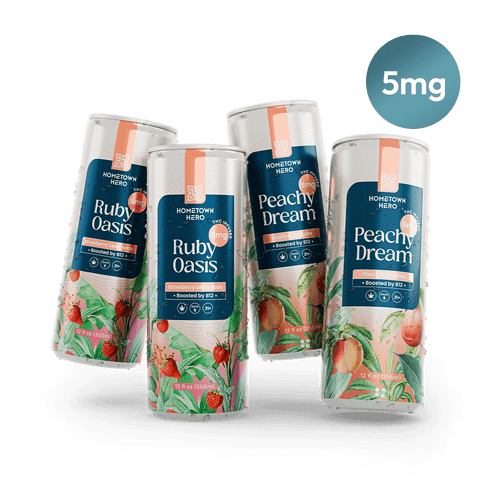 Hometown HeroHometown Hero THC Lemonade Variety Pack — 5mg or 25mg · 4 Packfrom $25.99
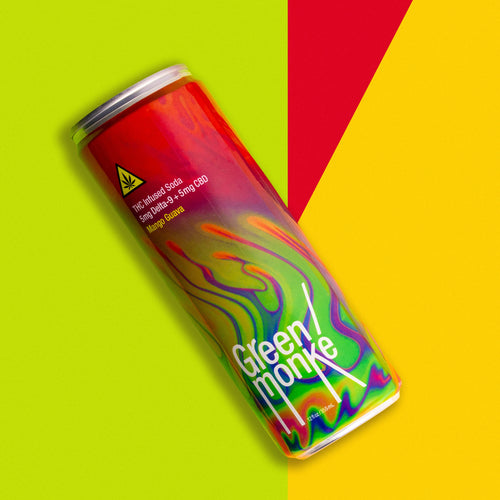 Green MonkéGreen Monké Mango Guavafrom $24.99
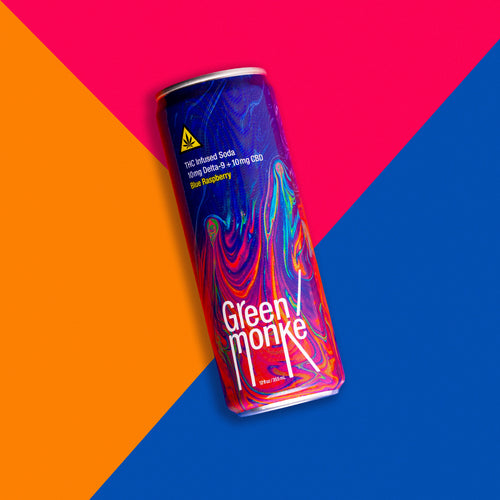 Green MonkéGreen Monké Blue Raspberryfrom $24.99
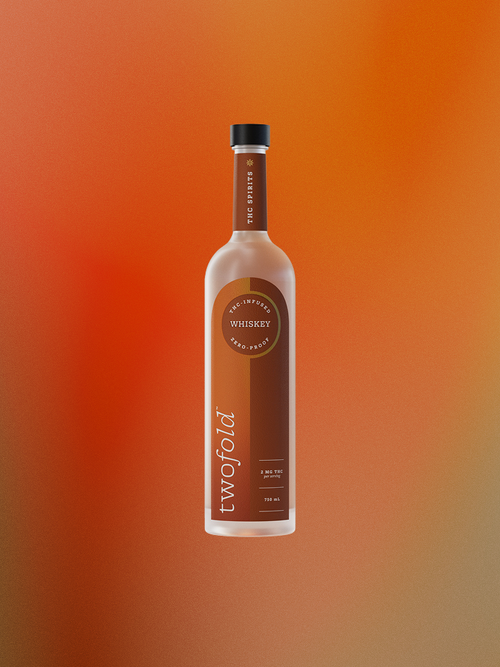 TwofoldTwofold Whiskey THC Spirit — Zero-Proof, 2mg · 750mL$49.00
 CaviarCaviar Blue Razz Blast THC Drink — 10mg THC + 5mg CBG · 4 Pack$18.99
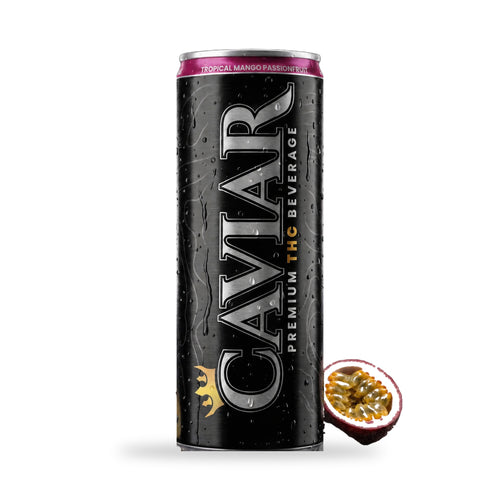 CaviarCaviar Tropical Mango Passionfruit THC Drink — 10mg THC + 5mg CBG · 4 Pack$18.99
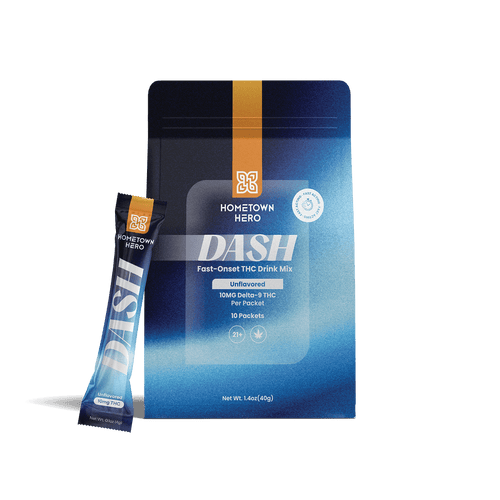 Hometown HeroHometown Hero DASH Unflavored THC Powder — 10mg · 10 Packets$39.00
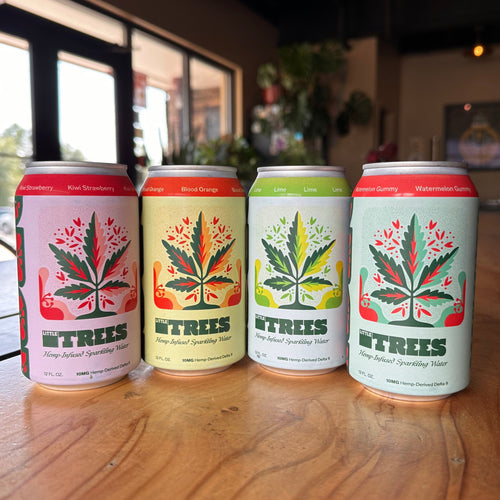 Foothills BrewingLittle Trees THC Sparkling Water 4-Pack Flavor Sampler$20.00
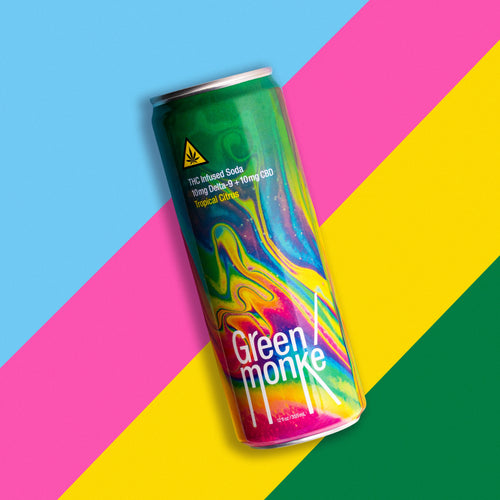 Green MonkéGreen Monké Tropical Citrusfrom $24.99
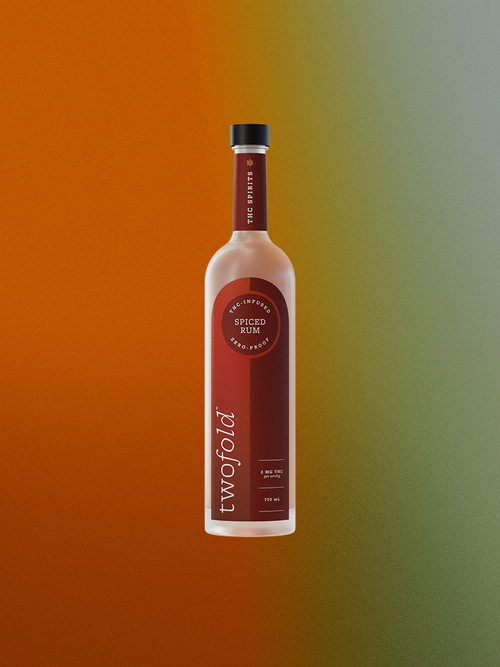 TwofoldTwofold Spiced Rum THC Spirit — Zero-Proof, 2mg · 750mL$49.00
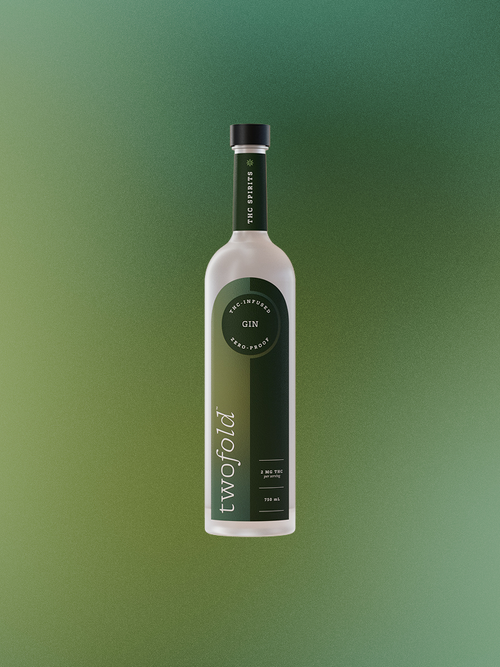 TwofoldTwofold Gin THC Spirit — Zero-Proof, 2mg · 750mL$49.00
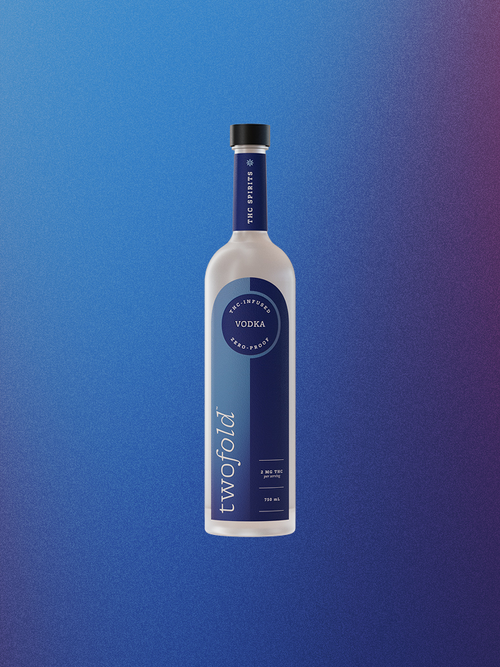 TwofoldTwofold Vodka THC Spirit — Zero-Proof, 2mg · 750mL$49.00
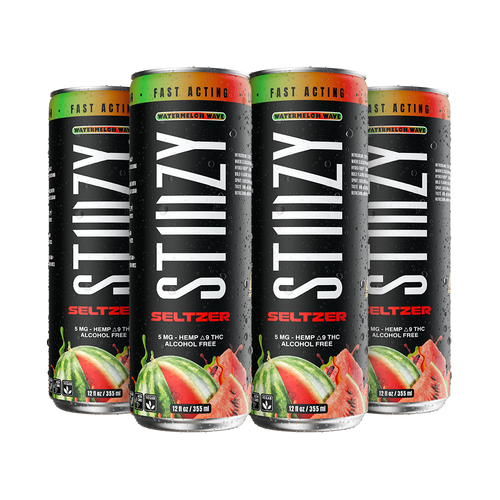 STIIIZYSTIIIZY Watermelon Wave THC Seltzer — 5mg, 10mg or 20mg · 4 Packfrom $13.99
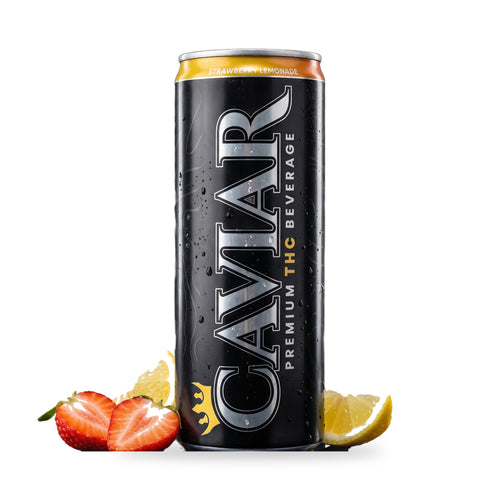 CaviarCaviar Lifted Strawberry Lemonade THC Drink — 10mg THC + 5mg CBG · 4 Pack$18.99
 CaviarCaviar Fruit Sucker Punch THC Drink — 10mg THC + 5mg CBG · 4 Pack$18.99
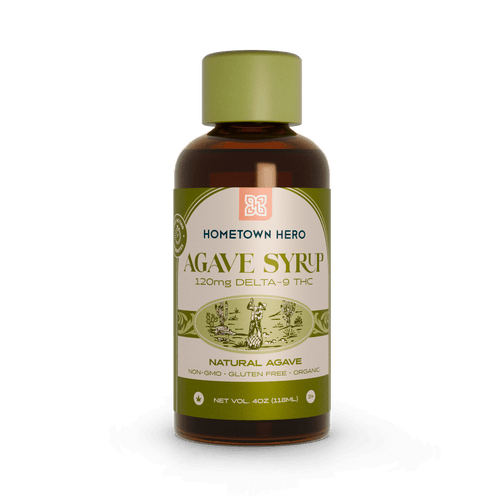 Hometown HeroHometown Hero Agave THC Syrup — 120mg or 360mg · Bottlefrom $25.00
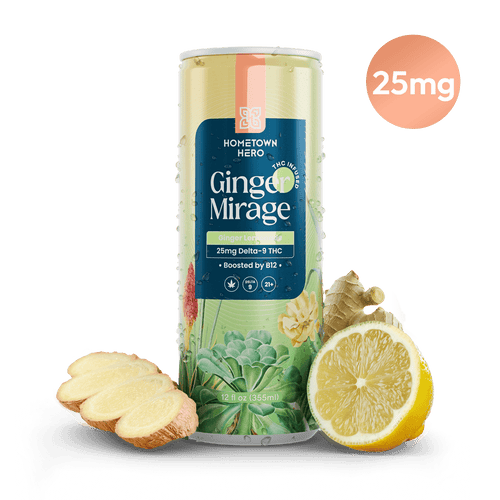 Hometown HeroHometown Hero Ginger Mirage THC Lemonade — 25mg · 4 Pack$27.99
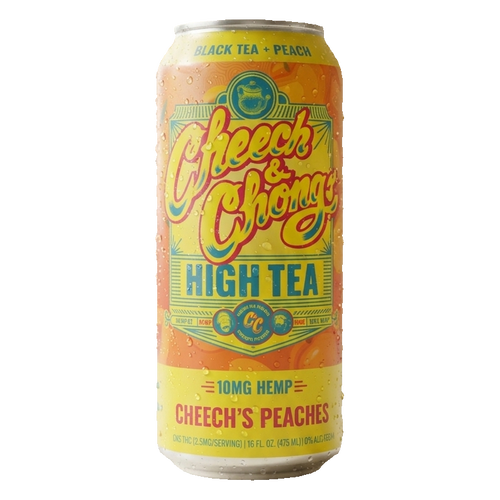 Cheech & ChongCheech & Chong High Tea Cheech's Peaches THC Iced Tea — 10mg · 4 Pack$15.99
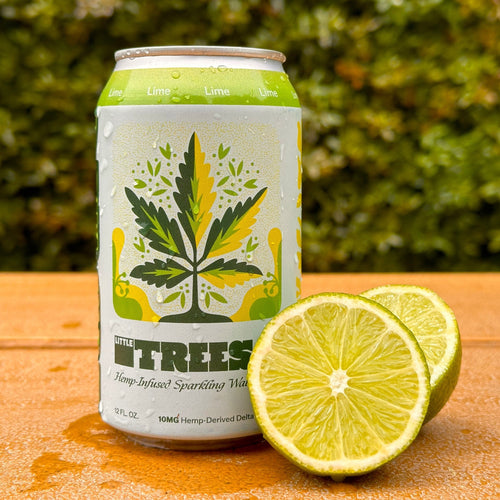 Foothills BrewingLittle Trees Lime THC Sparkling Water 4-Pack$20.00
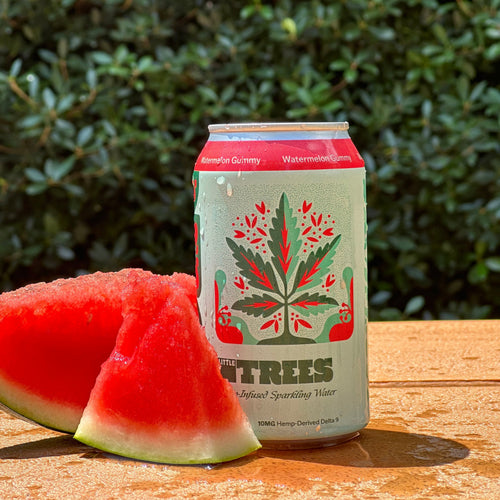 Foothills BrewingLittle Trees Watermelon Gummy THC Sparkling Water 4-Pack$20.00
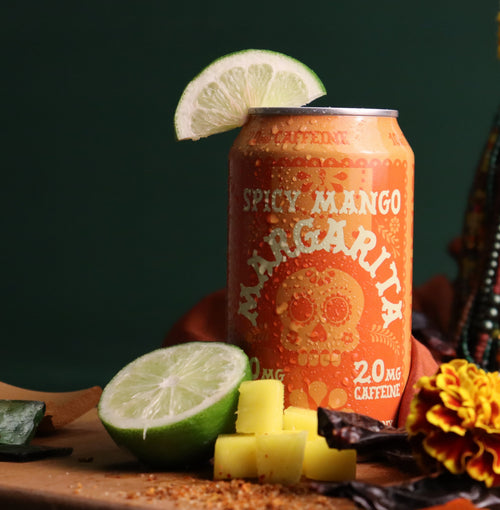 Foothills BrewingOfrenda Spicy Mango Margarita THC Cocktail 4-Pack$20.00
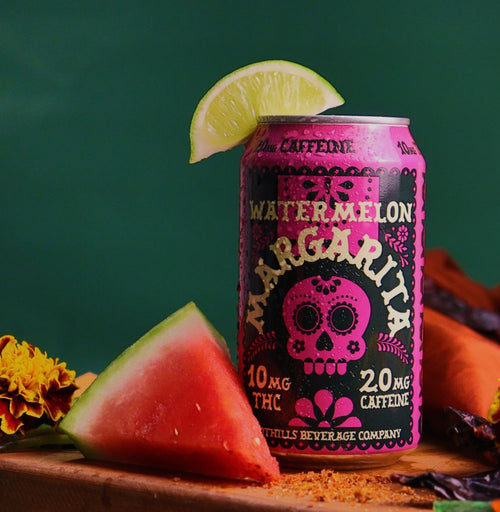 Foothills BrewingOfrenda Watermelon Margarita THC Cocktail 4-Pack$20.00
 Foothills BrewingQRTR Pineapple Strawberry 25mg THC Soda 4-Pack$25.00
 Foothills BrewingQRTR Classic Cola 25mg THC Soda 4-Pack$25.00
Nothing in this set ships to right now. See what we can ship there →
21+ only. Every product is third-party lab tested. Checkout confirms shipping to your address.
We use cookies. To improve your experience and for marketing. See our Privacy Policy.